What is the best roof waterproofing method?
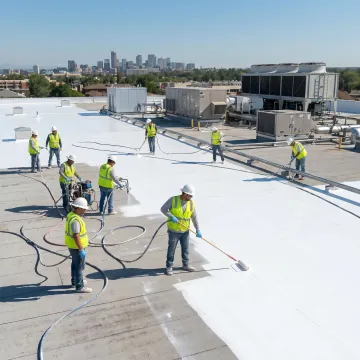
The best roof waterproofing method depends on the roof type, condition, and exposure. For many industrial flat and low-slope roofs, fluid-applied systems are highly effective because they create a seamless membrane over seams, penetrations, and fasteners. On roofs with widespread deterioration, repairs or reroofing may be the better long-term solution. A detailed inspection helps determine the right approach.
What is the best material to waterproof a roof?
Common waterproofing materials include silicone, acrylic, elastomeric coatings, PVC and TPO membranes, and specialized fluid-applied restoration systems. The best choice depends on factors like ponding water, UV exposure, chemical exposure, roof slope, and existing substrate condition. For industrial facilities, materials must also handle rooftop traffic, penetrations, and operational demands without compromising long-term performance.
How long does industrial roof waterproofing last?
A properly installed waterproofing system can last 10 to 20 years for many coating applications, while some membrane and reroof systems can carry manufacturer warranties up to 30 years. Longevity depends on roof condition before installation, material selection, drainage performance, weather exposure, and whether the roof is maintained through scheduled inspections and minor repairs.
Can a roof coating be applied over an existing industrial roof?
Yes, many industrial roofs can be coated over the existing system if the roof is still structurally sound and suitable for restoration. This approach can reduce tear-off costs, landfill waste, and disruption to operations. Before coating, the roof should be inspected for trapped moisture, severe deterioration, drainage issues, and areas needing repair or preparation.
How often should an industrial roof be inspected?
Most industrial roofs should be inspected at least once a year, with semi-annual inspections often recommended for older roofs or facilities with heavy exposure. Additional inspections are smart after major storms, hail, high winds, or visible leak events. Regular inspections help identify seam issues, flashing failures, drainage problems, and coating wear before they become expensive repairs.
What does a preventative roof maintenance program include?
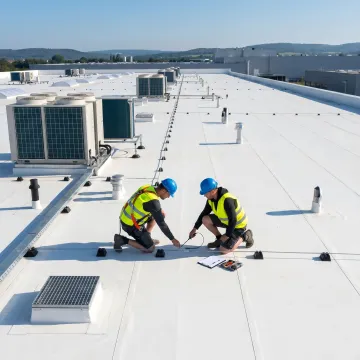
A preventative maintenance program typically includes scheduled inspections, drainage cleaning, seam and penetration resealing, fastener checks, minor repairs, and documented condition reporting. For industrial properties, maintenance may also focus on high-traffic areas around HVAC units, exhaust penetrations, and equipment access paths. The goal is to reduce leak risk, extend roof life, and improve budget planning.
Will waterproofing help reduce energy costs?
Yes, many waterproofing and restoration systems can improve energy performance, especially reflective coatings and light-colored membranes. These materials reduce heat absorption, which can lower rooftop temperatures and decrease HVAC strain. On large industrial buildings, that can support more stable indoor conditions and help reduce cooling costs during hot weather, particularly on sun-exposed roof surfaces.
When is maintenance no longer enough and replacement is needed?
Maintenance may no longer be enough when the roof has widespread deterioration, repeated leaks in multiple areas, saturated insulation, severe storm damage, or age-related failure across the system. If repairs become frequent and costs keep rising, reroofing or replacement often provides better long-term value. A professional inspection with documentation helps compare restoration, repair, and replacement options clearly.