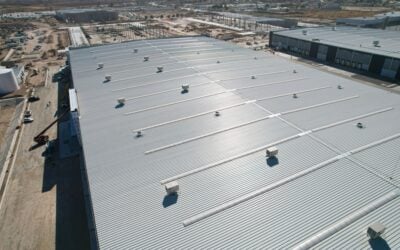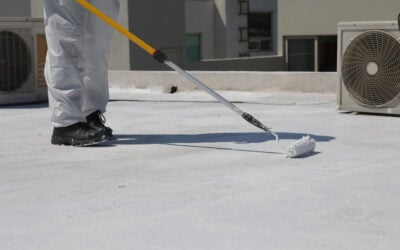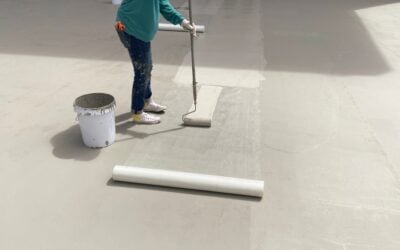
Flat commercial roofs are common on office buildings, warehouses, and retail spaces. Although they may appear simple, they still require regular care. Dirt, leaves, debris, and algae can accumulate over time. This causes drainage issues, leaks, and even structural damage if left unaddressed.
Cleaning a flat roof takes more than a basic rinse. To clean your commercial roof safely and effectively, the right tools, techniques, and experience are required. This guide explains how flat commercial roofs are cleaned, why regular maintenance is important, and when hiring professional commercial roof cleaning services makes sense.
Why Flat Commercial Roofs Need Regular Cleaning
Flat roofs tend to collect debris more easily than sloped roofs. Leaves, dust, and standing water can sit on the surface for long periods, especially around drains and seams. Over time, this buildup can weaken roofing materials and shorten the roof’s lifespan.
Regular cleaning is not just about appearance. It helps protect the roofing system, supports proper drainage, and can help keep manufacturer warranties valid. Routine maintenance also reduces the risk of unexpected repairs.
Common Types of Flat Commercial Roofing Systems
Not all flat roofs are the same, and the way they are cleaned depends on the roofing material. Using the wrong cleaning method can cause damage, shorten the roof’s lifespan, or even void warranties. Understanding the type of roof you have is key before starting any maintenance.
TPO Roofing Systems
Thermoplastic polyolefin (TPO) roofs are popular for their durability and reflective white surface. However, TPO membranes can be damaged by harsh chemicals and high-pressure washing. Cleaning typically involves low-pressure washing with roof-safe cleaners designed to remove dirt and algae without degrading the membrane.
PVC Roofing Systems
PVC roofs are known for chemical resistance and flexibility. While durable, they still require gentle cleaning methods. Professional cleaners use low-pressure techniques and approved cleaning solutions to prevent surface wear and protect heat-welded seams.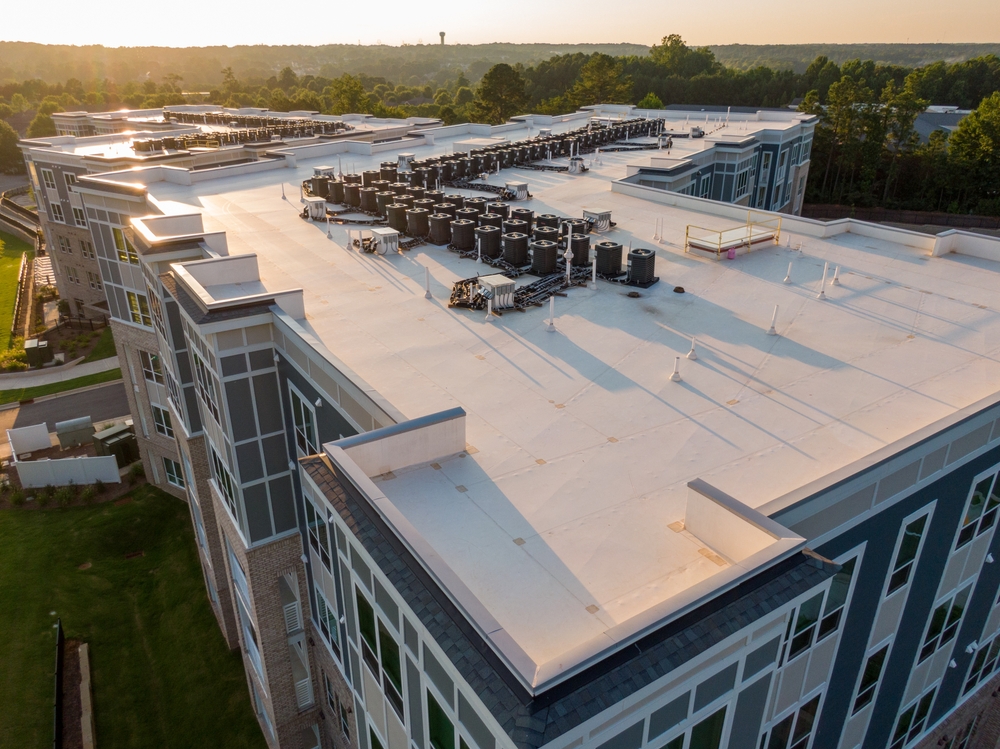
How Flat Commercial Roofs Are Cleaned
Cleaning a flat commercial roof takes time and follows a step-by-step process that protects both the roof materials and worker safety. Each stage is designed to remove debris and buildup without harming the roof.
Initial Inspection and Safety Preparation
Before cleaning begins, the roof is inspected for cracks, loose seams, or existing damage. This helps prevent worsening any problem areas during cleaning. Safety equipment and fall protection systems are also set up to ensure the work is done safely.
Debris Removal and Drain Clearing
Loose debris like leaves and branches is removed by hand or with specialized tools. Drains, gutters, and scuppers are cleared to ensure water flows off the roof properly. This step is critical for preventing ponding and future leaks.
Low-Pressure Washing and Rinsing
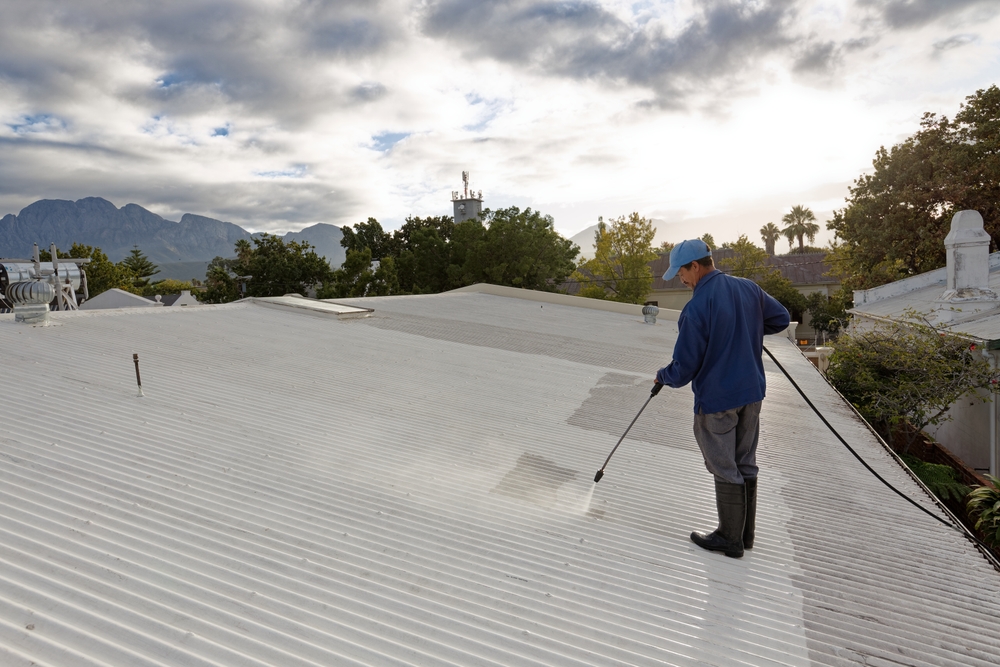
Instead of using a high-powered pressure washer, professionals rely on controlled, low-pressure washing. This safely removes dirt, algae, and surface stains without forcing water into seams or damaging the membrane.
Specialized Cleaning Methods for Flat Roofs
Not all flat roofs can be cleaned the same way. Some roofs need more targeted solutions, depending on their age, material, and overall condition. Using the right method helps preserve the roof while effectively removing dirt and growth.
Soft Washing for Delicate Roofing Materials
Soft washing uses low-pressure water combined with mild, environmentally friendly cleaning solutions. This method is ideal for removing algae and mildew while protecting delicate roofing membranes.
Spot Cleaning for Stains and Growth
Sometimes, only certain areas of the roof need attention. Spot cleaning targets these problem areas with specialized cleaning agents designed to be safe for roofing materials. This method helps protect roof coatings and prevents unnecessary wear while keeping the roof clean and working properly.
How Often Should Flat Commercial Roofs Be Cleaned
There is no universal timeline for cleaning flat commercial roofs. The right schedule depends on environmental conditions, roof usage, and ongoing maintenance needs. Instead of relying on a single rule, many property owners follow inspection-based timelines with cleaning performed as conditions require.
These examples show how cleaning schedules may vary based on roof conditions:
- Every 12 months: Offices or retail buildings in low-debris areas with limited foot traffic and minimal nearby tree coverage.
- Every 6–9 months: Buildings located near trees, in regions with frequent rain, or with moderate rooftop HVAC activity.
- Every 3–4 months (inspection-based): Industrial facilities, manufacturing plants, or roofs with regular access where debris and residue can build up quickly. Cleaning is performed only when inspections indicate it’s necessary.
- After major weather events: Storms, high winds, or heavy rainfall may require additional cleaning outside of normal schedules to remove debris and restore proper drainage.
Signs Cleaning Should Be Scheduled Immediately
Regardless of the timeline, certain conditions signal the need for prompt cleaning:
- Standing water or slow drainage
- Visible debris, moss, or vegetation
- Dark staining or uneven discoloration
Using inspection-driven timestamps rather than rigid schedules allows building owners to protect their roofs, control maintenance costs, and extend service life without over-cleaning.
Common Mistakes to Avoid When Cleaning Flat Roofs
Flat roofs present unique challenges that make cleaning more complex than residential systems. Limited slope allows water and debris to sit longer, increasing the risk of membrane breakdown. Rooftop equipment like HVAC units creates high-traffic areas that wear faster and collect debris. Older roofs may already have weakened seams or coatings, requiring extra care during cleaning.
Weather conditions, access limitations, and safety concerns also complicate the process. These challenges are why flat commercial roof cleaning is best handled by trained professionals who understand material-specific risks.
Benefits of Professional Flat Roof Cleaning
Professional flat roof cleaning offers far more than visual improvement. Key benefits include:
| Benefit | Why It Matters |
|---|---|
| Extends roof lifespan | Removes debris, algae, and buildup that cause premature wear and material breakdown. |
| Improves drainage | Keeps drains and scuppers clear, reducing standing water and leak risks. |
| Reduces repair costs | Prevents small issues from turning into expensive repairs or replacements. |
| Protects warranties | Maintains roof coatings and meets manufacturer maintenance requirements. |
| Boosts energy efficiency | Preserves reflective surfaces that help reduce heat absorption and cooling costs. |
| Detects problems early | Allows professionals to spot membrane damage, seam issues, or flashing concerns early. |
| Improves safety | Uses trained crews and proper equipment to minimize fall risks and liability. |
Flat Commercial Roof Cleaning Questions
Is pressure washing safe for flat commercial roofs?
High-pressure washing is not recommended for flat commercial roofs because it can damage the membrane and push water into seams or flashings. Most professionals use low-pressure or soft washing techniques that safely remove dirt and algae. Because each roofing material is different, knowing what type of roof you have is important before choosing a cleaning method.
Can roof cleaning prevent leaks?
Yes, regular cleaning can help prevent leaks by keeping drains clear and water flowing properly. It also allows small issues, like cracks or seam damage, to be spotted early before they turn into major problems. Reducing debris and standing water lowers stress on the roof, protecting seams and flashings from premature wear.
How long does commercial roof cleaning take?
The time needed for cleaning depends on the size and condition of the roof. Most flat roof cleanings can be completed in one day, but larger or heavily soiled roofs may take longer. Weather conditions and how easy the roof is to access can also affect how quickly the work is done.
Does cleaning improve energy efficiency?
Yes, a clean roof can reflect heat more effectively, which reduces heat absorption and keeps the building cooler. Removing dirt, algae, and debris helps maintain the roof’s reflective properties. This can support overall cooling performance, lowering energy costs and improving comfort inside the building.
Should flat roofs be cleaned in-house or professionally?
Professional cleaning is usually the safer choice for flat commercial roofs. Experts understand material-specific cleaning methods and follow safety protocols to protect both the roof and the workers. DIY roof cleaning can be risky and may cause damage or void warranties if the wrong tools or chemicals are used.
Keeping Flat Commercial Roofs Clean and Protected
Regular cleaning of flat commercial roofs is essential to maintain their performance, prevent leaks, and extend their lifespan. Each step, from debris removal to low-pressure and soft washing, is designed to protect roofing materials and allow proper water drainage. When building owners understand proper cleaning methods and schedules, they can avoid expensive repairs and keep their roofs safe and efficient.
As a commercial roofing service in Houston, we specialize in flat roof maintenance and cleaning for businesses of all sizes. Our team is trained to handle flat roofing systems safely while protecting materials and coatings.
Looking to keep your flat roof in top condition? Request a quote for a professional cleaning today.