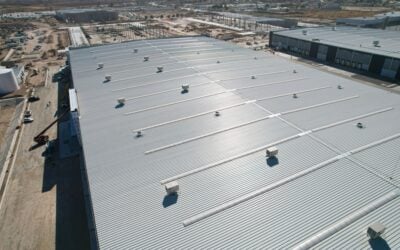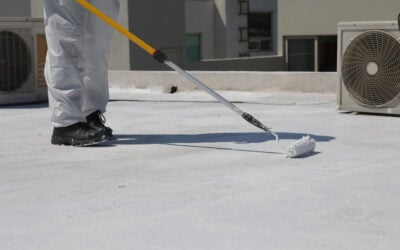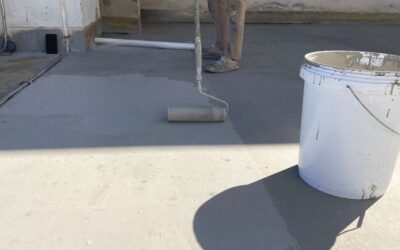
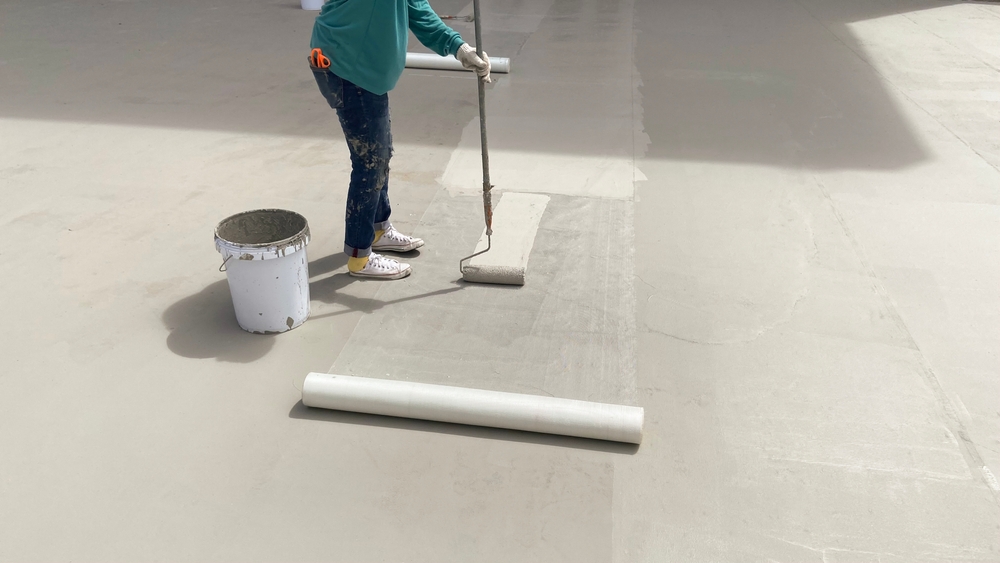
Flat roofs are constantly exposed to harsh conditions like sun, rain, and standing water, which can cause materials to wear down faster than expected. For building owners looking to protect their investment, roof coatings offer an effective solution for restoring without the cost and disruption of a full replacement.
Roof coatings help protect flat roofs by reflecting heat, reducing surface temperatures, and minimizing long-term damage. They are a popular choice for extending roof life, lowering energy costs, and improving overall building performance in a more environmentally friendly way.
Silicone and acrylic are two of the most widely used coating options for flat and sloped roofing systems. Each has its own pros and cons, and choosing the right coating goes beyond price or appearance. Climate, drainage, and roof condition all play a major role in long-term performance.
Key Takeaways
- Roof coatings help protect flat roofs and extend their lifespan
- Silicone and acrylic coatings work best in different conditions
- Silicone is better for wet roofs and standing water
- Acrylic works best on dry roofs with good drainage
- Choosing the right coating depends on climate, drainage, and proper installation
Why Flat Roofs Benefit from Roof Coatings
Flat roofs are constantly exposed to the sun, rain, and temperature changes, making them more vulnerable to damage over time. Roof coatings add a seamless protective layer that shields against UV exposure, helps prevent moisture intrusion, and reduces wear and tear.
By better protecting the roof, coatings extend the lifespan of flat roofs and can delay the need for a full replacement.
Understanding Silicone Roof Coating
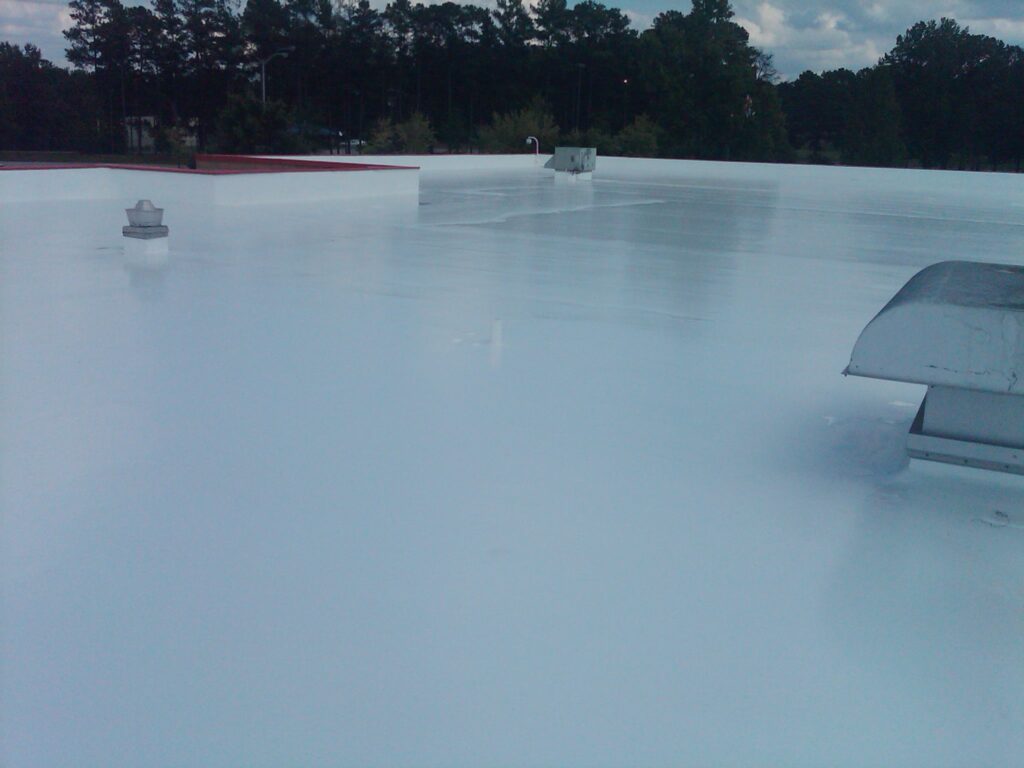
Silicone roof coating is a liquid-applied material that cures into a durable, rubber-like membrane. Once applied, it forms a seamless, waterproof barrier that protects flat roofs from moisture, UV exposure, and weather-related damage.
Silicone coatings are often formulated as high solids products, meaning they provide excellent coverage and thickness in a single application. Because of their strong resistance to standing water and long service life, silicone coatings are frequently used on commercial roofs where durability is critical.
Silicone is also commonly paired with other systems, such as spray polyurethane foam, to create a complete, high-performance roofing solution.
Understanding Acrylic Roof Coating
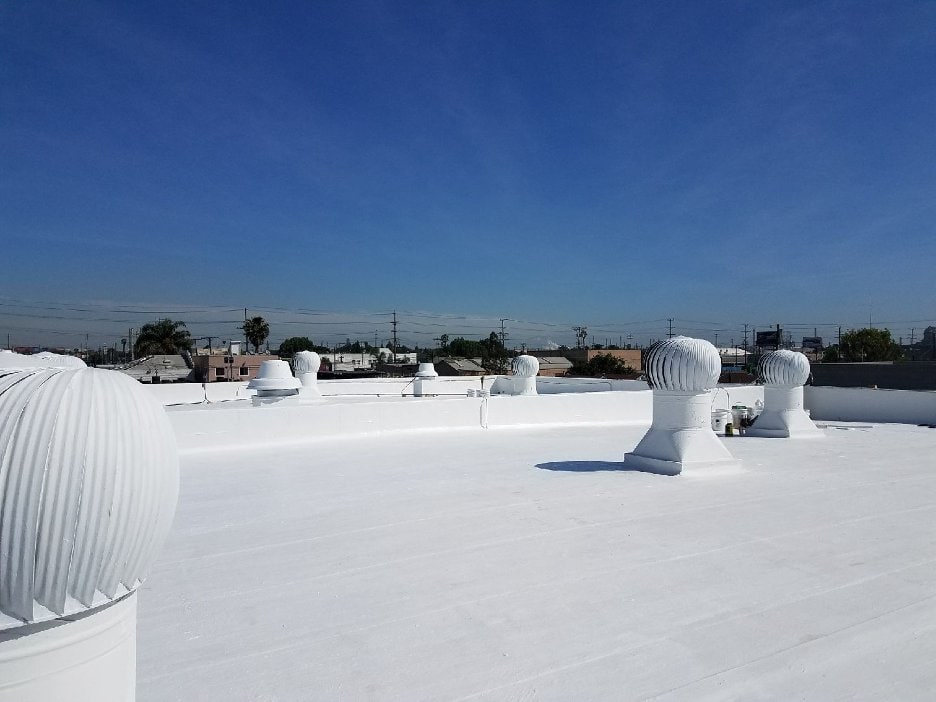
Acrylic roof coating is a water-based, paint-like material designed to protect roofs while reflecting sunlight away from the building. It performs best on roofs with proper drainage and in dry climates, making it a popular choice for reducing heat buildup and improving energy efficiency.
Acrylic coatings are often used on flat roofs, sloped metal roofs, and other slope roofing applications where reflectivity and ease of maintenance are priorities. While acrylic coatings can help lower energy costs, they typically require more frequent maintenance compared to silicone, especially in wetter environments.
Silicone vs Acrylic Roof Coating Comparison
Choosing the right roof coating can have a big impact on your building’s longevity, energy efficiency, and maintenance needs. Both coatings can be effective, but the right choice depends on your roof’s drainage, climate, and how much maintenance you want to deal with over time. The table below breaks down how silicone and acrylic coatings compare in real-world terms, helping you make an informed decision for your specific roof.
| Comparison Point | Silicone Roof Coating | Acrylic Roof Coating |
| Resistance to standing water | Excellent. Designed to handle ponding water without breaking down. | Fair to good. Performs best when water drains properly and does not sit. |
| UV reflectivity & heat reduction | Good UV resistance, but typically less reflective than acrylic. | Very high reflectivity, excellent for reducing heat absorption. |
| Typical lifespan | 15–20 years when properly applied and maintained. | 10–15 years, depending on climate and maintenance. |
| Maintenance & recoat needs | Minimal maintenance; recoating is less frequent. | Requires more regular inspections and recoating over time. |
| Application conditions | Can be applied in a wider range of conditions, including high humidity. | Needs dry weather and proper surface conditions to cure correctly. |
| Relative cost range | Higher upfront cost, but often lower long-term cost. | Lower upfront cost, but may require more frequent recoats. |
Performance in Real-World Conditions
Silicone and acrylic roof coatings both perform well in real-world conditions, but they age differently. Silicone generally holds up better against prolonged sun exposure, standing water, and surface wear, while acrylic can wear down faster if drainage is poor or foot traffic is frequent. Regardless of the coating type, proper roof condition and thorough preparation are critical to ensure long-term performance.
Climate and Drainage Considerations
The environment your building is in plays a big role in which roof coating will perform best. Climate, rainfall, and drainage should always be considered before choosing a coating.
When silicone performs better:
- Areas with frequent rain where moisture exposure is constant
- Roofs that experience ponding water or slow drainage
- High-humidity environments where moisture can linger on the roof surface
When acrylic performs better:
- Hot, dry climates with long periods of sunshine
- Roofs with positive drainage, where water does not sit
- Projects focused on high reflectivity and energy savings to reduce cooling costs
Matching the coating to your climate helps ensure longer-lasting protection and fewer problems over time.
How Engineered Roofing Systems Helps Choose the Right Coating
At Engineered Roofing Systems, the focus is on finding the right solution for each type of roof, not pushing a one-size-fits-all product. Our team takes time to evaluate the condition of your flat roof, how well it drains, the local climate, and how the building is used before recommending either silicone or acrylic. We deliver coating solutions designed for long-term performance, not short-term fixes.
We also guide clients through the pros and cons of each coating type, helping you understand how factors like UV exposure, foot traffic, and existing roof materials affect performance. This ensures you make an informed choice that balances durability, cost, and maintenance needs. By tailoring our recommendations to your specific roof, we help maximize its lifespan and protect your investment.
Beyond selecting the right coating, Engineered Roofing Systems provides professional installation and ongoing support. Our team ensures that every application is done correctly, following best practices for surface preparation, coverage, and curing. We’re committed to giving you peace of mind with a roof that performs reliably under all conditions.
Silicone vs Acrylic Roof Coating FAQs
What is the difference between silicone and acrylic roof coating for flat roofs?
Silicone roof coating forms a flexible, rubber-like layer that is highly waterproof and naturally resistant to standing water. Acrylic coating, on the other hand, is water-based and behaves more like a thick paint, providing strong reflectivity and helping reduce heat absorption. Both protect flat roofs, but their performance and ideal applications differ based on climate, drainage, and roof use. Choosing the right type depends on the specific needs of your building and roof conditions.
Which roof coating is better for ponding water?
Silicone is the superior choice for areas with ponding water because it maintains its integrity even when water sits on the roof for long periods. Acrylic coatings can soften, wear down, or fail more quickly under constant standing water. For roofs prone to water accumulation, silicone provides a longer-lasting, worry-free solution. This makes it a safer option for long-term protection and fewer maintenance issues.
Is acrylic or silicone roof coating more cost-effective over time?
Acrylic coatings are typically less expensive upfront, making them appealing for projects with tight budgets. Silicone costs more initially but often proves more cost-effective over time because it requires fewer repairs and recoats, especially on roofs with ponding water. Long-term value depends on your roof’s drainage, exposure, and how much maintenance you’re willing to manage. Evaluating these factors helps determine which coating delivers the best return for your situation.
How do climate and drainage affect the choice between silicone and acrylic roof coatings?
Climate and drainage significantly influence how roof coatings perform and age over time. Silicone is ideal for wet, humid climates or roofs where water tends to pool because it maintains water resistance even under prolonged moisture exposure. Acrylic works best in hot, dry climates with well-draining roofs, where reflectivity and cooling benefits are the primary goals. Considering both factors ensures the coating you choose will last longer and perform as expected.
Can silicone and acrylic roof coatings be applied over existing roofs?
Both silicone and acrylic coatings can often be applied over existing roof surfaces, but proper preparation is key. Silicone adheres best to clean, dry surfaces and may require a primer over certain materials. Acrylic can be applied over some existing coatings or roof types as well, but it typically needs a fully cured, clean, and smooth surface to prevent peeling or bubbling. Checking compatibility with your current roof material and following manufacturer guidelines ensures a successful, long-lasting application.
Silicone Roof Coating vs Acrylic for Flat Roofs
Choosing between silicone and acrylic roof coating for flat roofs comes down to understanding your roof’s condition, drainage, and environment. Both options can extend roof life, reduce damage, and delay replacement when applied correctly. The key is matching the coating to real-world conditions, not just picking the cheapest or most popular option.
As a commercial roofing company serving Houston, we bring years of hands-on experience with flat roof coatings in a wide range of climates and building types. Our team focuses on evaluating drainage, usage, and long-term performance goals.
Not sure whether silicone or acrylic is right for your flat roof? The best way to find out is with a professional evaluation tailored to your building. Reach out today to request a quote and get clear, expert guidance for your roof.