Many property owners look for ways to protect an existing roof without the cost and disruption of a full replacement. Over time, constant sun exposure, temperature swings, and weather events can break down roofing materials, leading to leaks, rising energy costs, and a shorter roof lifespan.
According to the U.S. Department of Energy, reflective roof systems can reduce cooling energy use by 10 to 40 percent, depending on the building and climate. This is why acrylic roof coatings are often used to help extend roof life while improving energy efficiency.
In this blog, we explain how acrylic roof coatings work, their advantages and limitations, and when they are the right choice for a roof.
Key Takeaways
- Acrylic roof coatings are a cost-effective way to extend roof life without a full replacement
- Reflective properties help reduce heat buildup and improve energy efficiency
- Best suited for well-draining, low-slope, or flat roof systems in good condition
- Water-based and low-VOC formulation makes installation safer and more environmentally friendly
- Not ideal for roofs with ponding water or significant structural issues
What Is an Acrylic Roof Coating?
An acrylic elastomeric roof coating is a liquid-applied system designed to protect and restore an existing roof surface. Once applied, it cures into a flexible, seamless membrane that helps shield the roof from weather exposure, aging, and thermal stress.
Simply put, this coating adds a protective layer over your current roof, helping it last longer while improving overall performance.
Water-Based Acrylic Composition
Acrylic roof coatings are water-based and formulated with acrylic polymers. This composition makes them easier to apply, safer for crews, and lower in volatile organic compounds, which improves air quality during installation.
Unlike some alternative materials, acrylics are breathable, allowing trapped moisture to escape rather than sealing it inside the roof system. This makes them compatible with many roof assemblies, while also defining where they should and should not be used.
How Acrylic Roof Coatings Work
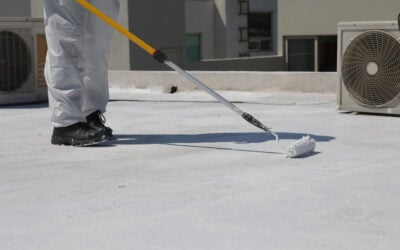
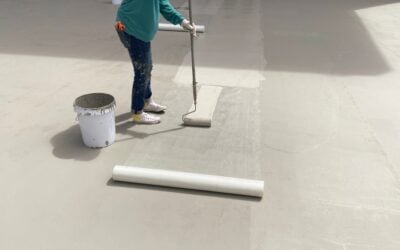
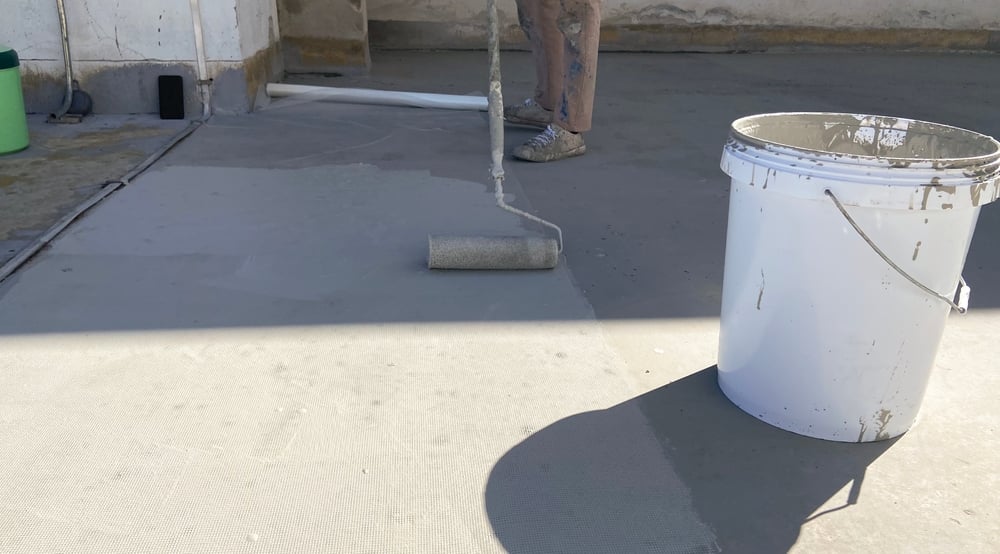
Acrylic coatings are applied as a liquid, typically sprayed or rolled onto a properly cleaned and dry surface. As the water evaporates, the coating cures and bonds tightly to the roof.
Because the coating forms one continuous layer with no seams, it reduces common failure points where leaks often begin. Most acrylic coatings are white or light-colored and uv resistant, helping reflect sunlight away from the building.
By lowering roof surface temperatures, acrylic coatings help reduce heat transfer into the structure, contributing to measurable energy savings over time.
Pros of Acrylic Roof Coating
Acrylic coatings can be a smart choice when your roof is a good fit, because they improve performance without the cost of a full replacement.
| Pro | What it means for you |
| Energy Efficiency and Heat Reflectivity | The bright, reflective surface helps lower roof temperature and reduce cooling demand, which may lower energy bills during warmer months. |
| Cost-Effectiveness and Ease of Application | Acrylic coatings are typically more affordable than roof replacement and faster to install. In many cases, your building can stay in use during the work. |
| Environmentally Friendly and Low VOC | Since acrylic coatings are water-based and low in VOCs, they’re generally better for the environment and easier on indoor air quality during installation. |
Cons of Acrylic Roof Coating
Acrylic coatings work well in the right conditions, but there are a few limits you should plan for before choosing them.
| Con | Why it matters |
| Sensitivity to Ponding Water | Acrylic does not hold up well under standing water. If water sits on the roof for long periods, it can soften the coating and cause early wear or failure. |
| Weather and Temperature Constraints | Acrylic must be applied in dry weather and within certain temperature ranges. Cold temps or rain during application can interfere with curing and reduce performance. |
Best Roof Types for Acrylic Coatings
Acrylic coatings perform best when applied to a compatible type of roof that is structurally sound and drains properly. They are commonly used on:
- Metal roofing systems
- Modified bitumen
- Single-ply membranes (with proper preparation)
- Spray polyurethane foam roofs
These systems allow the coating to bond effectively and perform as intended. Acrylic coatings are often used on flat roofs or low-slope systems, but they may not be ideal for areas with drainage problems or complex slope roofing designs.
Acrylic Roof Coating vs. Other Roof Coatings
Selecting the right coating requires understanding how acrylic compares to other materials commonly used in commercial roofing.
Acrylic vs. Silicone
When comparing acrylic vs. silicone roof coating options, silicone coatings have a major advantage in areas with standing water or frequent rain. Silicone is highly resistant to moisture and can withstand ponding water without breaking down, making it a strong choice for roofs with drainage challenges.
However, silicone coatings typically cost more, attract dirt more easily over time, and can be difficult to recoat because new layers do not always bond well to cured silicone. Repairs can also be more complicated if the roof needs future modifications.
Acrylic coatings, on the other hand, are more affordable, easier to recoat, and simpler to maintain. While they do not perform as well under constant standing water, they work very effectively on roofs with good drainage and offer excellent reflectivity and UV protection.
Acrylic vs. Polyurethane
Polyurethane roof coatings are known for their exceptional durability and impact resistance, making them ideal for high-traffic areas or roofs exposed to mechanical wear. They perform well in harsh environments and offer strong adhesion to many roofing surfaces.
That said, polyurethane coatings are more expensive, require more precise application, and often involve higher labor costs. They can also emit stronger odors during installation and may require specialized handling.
Acrylic coatings provide a more user-friendly and cost-effective alternative. They are easier to install, safer to apply, and offer reliable weather protection for standard commercial roofs that do not experience heavy physical wear.
Acrylic Roof Coating FAQs
What is an acrylic roof coating, and how does it work?
An acrylic roof coating is a water-based liquid that is applied over an existing roof to add protection and extend its life. After it’s rolled or sprayed on, it dries and cures into a flexible, seamless membrane that covers the roof surface. This membrane helps seal small surface cracks, protects against weather exposure, and reflects sunlight to reduce heat and UV damage.
What are the main benefits of using an acrylic roof coating?
The biggest benefits are heat reflectivity, added roof protection, and lower cost compared to replacing the roof. Because acrylic coatings are reflective, they can help reduce roof temperature and lower cooling demand during warmer months. They’re also water-based and low-VOC, which makes them easier to work with and more environmentally friendly than many solvent-based products.
What are the drawbacks of acrylic roof coatings?
Acrylic coatings do not handle ponding (standing) water well, so they can break down faster on roofs with poor drainage. They also have weather and temperature limits during installation, meaning you need the right conditions for proper curing. If the roof has major damage, trapped moisture, or ongoing drainage problems, acrylic may not be the best choice.
Which roofing systems are best suited for acrylic coatings?
Acrylic coatings work well on roof systems where the surface can be properly cleaned, and the coating can bond tightly. They’re commonly used on metal roofs, modified bitumen, single-ply membranes (with proper prep), and spray polyurethane foam (SPF) roofs. The key is making sure the roof is in stable condition and that drainage is good because the coating is not meant to fix structural issues.
How long does an acrylic roof coating typically last?
In many cases, an acrylic roof coating can last around 10 to 20 years, depending on the system and thickness applied. Lifespan depends heavily on roof condition, climate, drainage, and how well the coating is maintained. Routine inspections and recoating when needed can help you get the longest life and best performance out of the system.
Making an Informed Roof Coating Decision
Acrylic roof coatings can be an effective solution for extending roof life and improving performance when conditions are right. For building owners, understanding drainage, climate, and long-term goals is essential to choosing the right system.
As a roofing professional in Houston, we are experienced in roof restoration and coating systems. Understanding acrylic roof coatings is essential to helping property owners make informed decisions. Evaluating roof condition, drainage, and long-term performance goals allows a roofing contractor to recommend whether an acrylic coating or another system is the best fit.
Is an acrylic roof coating the right solution for your building? Request a quote today and get expert guidance on the best roof coating or restoration option for your property.