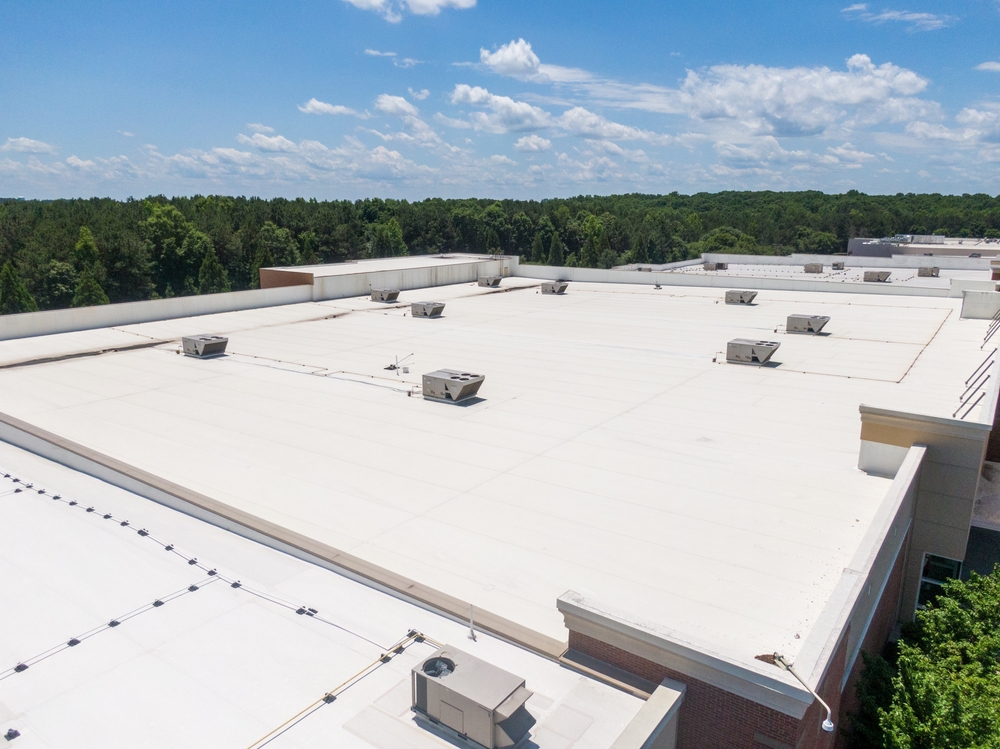
Commercial roofing membranes are the waterproof layer that protects flat and low-slope roofs from water, heat, and weather damage. Single-ply roofing systems are popular because they use one strong layer of material, which means fewer seams, faster installation, and reliable leak protection.
Options like TPO and PVC systems, including Duro-Last, are commonly used because they are durable, energy-efficient, and easier to maintain.
Building owners need a roof that prevents leaks, holds up to harsh conditions, requires minimal upkeep, and delivers long-term value. Understanding these basics helps you make a smarter choice when comparing Duro-Last vs TPO for your commercial building.
What Is Duro-Last Roofing?
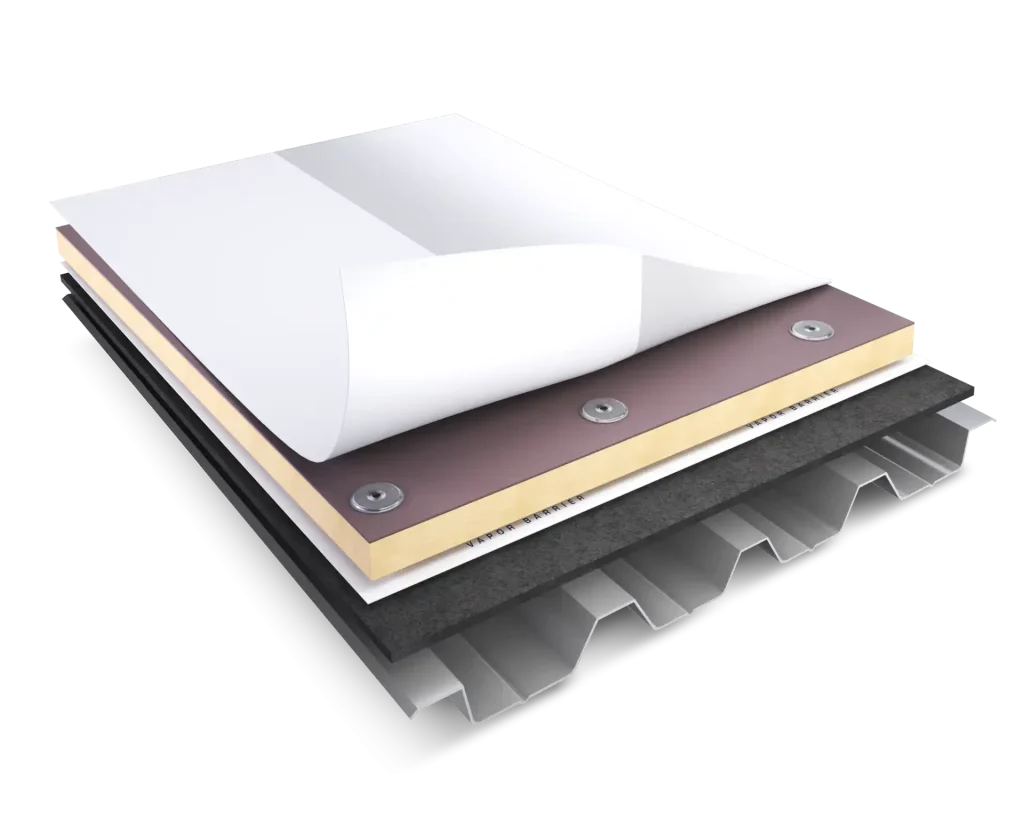
Duro-Last is a popular commercial roofing system made for flat and low-slope roofs. It uses a PVC single-ply membrane, but what really makes it different is how it’s built. Instead of cutting and shaping everything on the roof, Duro-Last is custom-made in a factory to match your building. That means roof sections, flashing, and details are prepared ahead of time to reduce jobsite errors.
This manufacturing process helps set Duro-Last apart because it can lead to fewer seams and cleaner installation, which are big factors in preventing leaks. Duro-Last is also known for being highly reflective, which can help keep your building cooler and support energy savings. When installed correctly, it provides strong seam performance and is often backed by solid warranty options.
You’ll commonly see Duro-Last used on buildings like retail stores, warehouses, offices, schools, and medical facilities. It’s a strong option when your roof has a lot of drains, rooftop units, or tricky details because the system is designed around a custom fit.
What Is TPO Roofing?
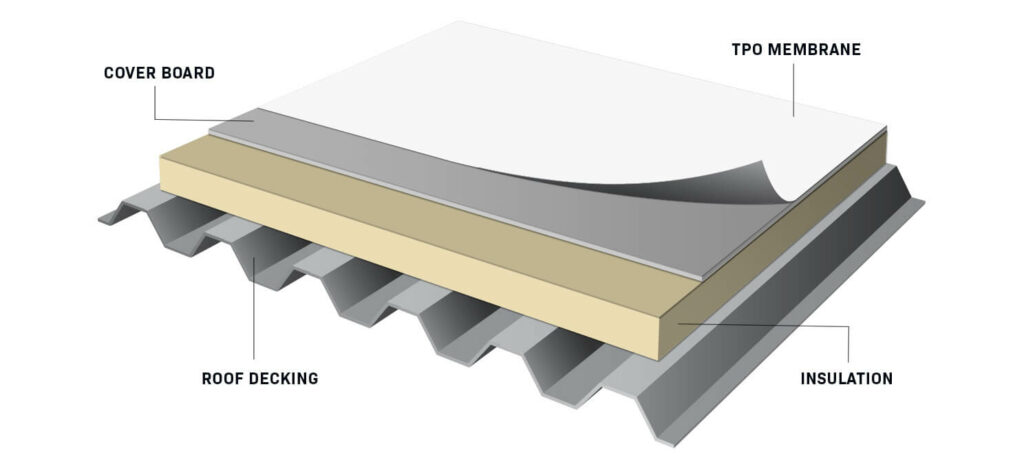
TPO stands for thermoplastic polyolefin is one of the most common single-ply roofing membrane systems used on flat and low-slope commercial roofs. TPO membranes come in large sheets and are installed by fastening or adhering them to the roof, then heat-welding the seams to help prevent leaks.
TPO is usually white or light-colored, which helps reflect sunlight and reduce heat buildup. It’s designed to handle UV rays exposure, temperature changes, and normal roof traffic. You’ll often see TPO installed on warehouses, retail buildings, offices, and schools, especially on large open roofs.
TPO stays popular because it offers good durability, energy efficiency, and a competitive price, making it a strong option for many commercial building owners.
Installation Differences: Duro-Last vs TPO
Duro-Last and TPO differ mainly in how they’re installed. Duro-Last is custom-fabricated in a factory, which reduces on-site cutting and labor, often making installation faster and lowering the risk of mistakes. TPO is usually cut and fitted on the roof, giving roofing contractors flexibility but requiring more work on-site.
Seams matter for both systems, Duro-Last often has fewer seams, while TPO seams are heat-welded where sheets overlap, and poor seam work is a major cause of leaks. Overall, Duro-Last may cause less disruption and install quicker, while TPO timing depends on roof size and complexity.
Energy Efficiency and Reflectivity
Energy efficiency is a big reason many building owners choose single-ply roofing. Both Duro-Last and TPO are typically white, reflective membranes, which help reflect sunlight instead of absorbing heat. This can lower roof temperatures and help reduce cooling costs, especially during warmer months.
White roofing membranes can make a noticeable difference in how hard your HVAC system has to work. By keeping heat off the roof surface, your building stays cooler and more comfortable. In terms of energy performance, both Duro-Last and TPO offer similar benefits when properly installed. The biggest factor is not the brand, but making sure the membrane stays clean, intact, and reflective over time.
Maintenance and Long-Term Care
All commercial roofs need regular maintenance, and Duro-Last and TPO are no different. With Duro-Last, maintenance usually involves routine inspections, cleaning debris from drains, and checking seams and flashing. Because the system is custom-fabricated, there are often fewer seams to monitor, which can simplify inspections.
TPO maintenance is similar. You’ll want to check welded seams, rooftop penetrations, and areas around HVAC units or heavy foot traffic. Over time, exposure to sun, weather, and movement can affect seam integrity, so regular inspections are important.
With proper care and professional inspections, both systems can deliver reliable performance and long service life.
Which Roofing System Is Better for Your Building?
Choosing between Duro-Last and TPO comes down to what your building needs most, speed, budget, roof complexity, and long-term goals.
| Decision Factor | Duro-Last (PVC System) | TPO Roofing System |
| Best for buildings that… | Have lots of roof details, drains, curbs, or odd shapes | Have large, open roof areas with fewer obstacles |
| Installation style | Custom-made in a factory to fit your roof | Cut and fitted on-site during installation |
| Why building owners choose it | Fewer seams, faster install in many cases, strong system approach | Lower material cost, widely available, proven performance |
| Best scenario | You want a custom-fit system and fewer on-roof cutting errors | You want a solid roof at a competitive price point |
| Energy costs | Highly reflective white membrane | Highly reflective white membrane |
| Maintenance needs | Routine inspections, fewer seams to monitor | Routine inspections, more seams to check depending on layout |
| Repair flexibility | Repairs are typically straightforward with trained crews | Repairs are also manageable with an experienced contractor |
| Key thing to watch | Use trained installers for proper welding and details | Seam welding quality and installer experience matter most |
Common Questions About Duro-Last and TPO Roofing
Which option is better for extreme climates?
Both Duro-Last and TPO can perform well in extreme climates when they’re installed correctly. In hot, sunny areas, their white, reflective surfaces help reduce heat buildup. In colder climates, proper insulation and seam quality matter more than the membrane brand.
Duro-Last’s PVC material is often chosen for buildings that see chemical exposure or standing water, while TPO is widely used across many climates because of its flexibility and proven track record. In extreme conditions, installation quality is the biggest factor in long-term performance.
Can either system be installed over an existing roof?
In many cases, yes. Both Duro-Last and TPO can sometimes be installed over an existing roof through a retrofit system, which can save time and reduce tear-off costs.
That said, this depends on the condition of your current roof, local building codes, and moisture levels in the system. A professional roof inspection is required to know for sure before making that decision.
How do repairs differ between Duro-Last and TPO?
Repairs for both systems are usually straightforward when handled by an experienced commercial roofer. Small punctures, seam issues, or flashing problems can often be repaired without replacing large sections of the roof.
Duro-Last roofing system repairs may be simpler in some cases because there are often fewer seams, while TPO repairs may involve resealing or rewelding affected areas. In both cases, regular inspections help catch problems early and keep repair costs lower.
Which Is Better for Your Commercial Roof?
Choosing between Duro-Last and TPO comes down to what matters most for your building. Duro-Last stands out for its custom-fabricated approach and reduced on-site cutting, while TPO remains a popular option for its strong value and wide availability. Both systems can perform well when installed correctly, so your roofing material, budget, and installer experience should guide your decision.
As a commercial roofing team in Houston, we help building owners compare options like Duro-Last vs TPO based on real-world performance, not guesswork. If you’re looking for expert guidance from a contractor who understands flat roof systems and long-term value, our experience can help you make the right call.
Ready to choose the best roof for your building? Request a professional inspection or quote today, and we’ll help you find the right system for your goals and your budget.