For many commercial property owners, roofing only becomes a concern when something goes wrong. Small roof leaks can quickly lead to interior damage, business disruptions, and expensive emergency repairs. Addressing problems early can prevent these higher, avoidable costs.
Regular maintenance and timely repairs help extend the life of a commercial roof. This reduces the need for early replacement, minimizes unexpected expenses, and makes budgeting easier. Instead of reacting to problems, proactive owners treat roof care as a smart long-term investment.
Understanding the cost-saving benefits of commercial roof repairs allows businesses to protect their buildings and control expenses. With proper maintenance, companies can lower operating costs, improve efficiency, and preserve property value over time.
Key Takeaways
- Repairs extend roof life and delay expensive replacements
- Fixing leaks early prevents interior damage and operational disruption
- Restoration boosts energy efficiency and lowers utility costs
- Regular maintenance reduces emergency repair expenses
- Commercial roof restoration protects asset value and resale appeal
What Is Commercial Roof Restoration?
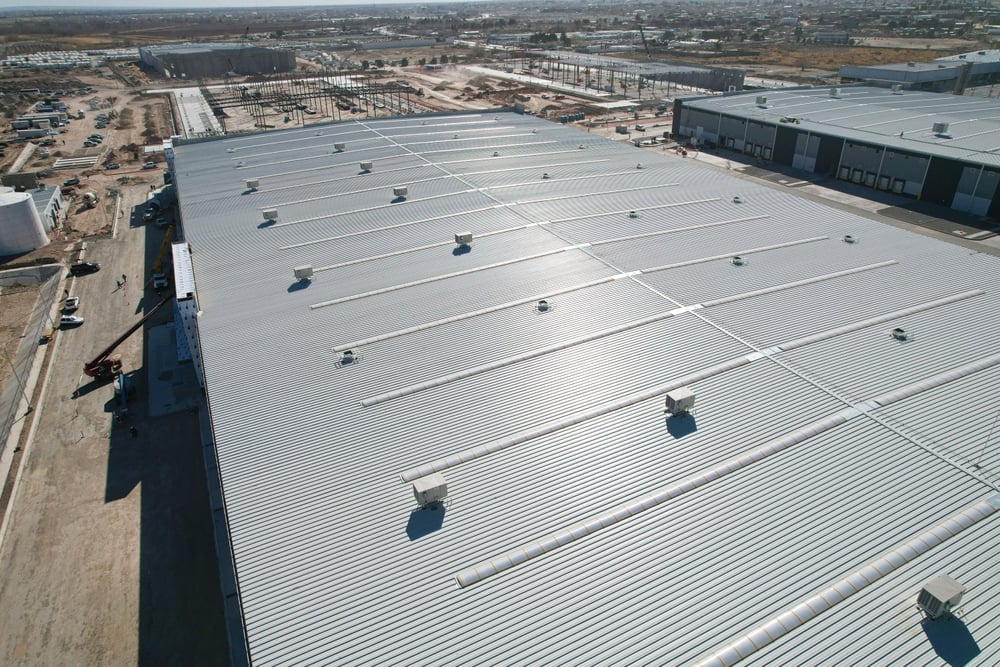
Commercial roof repair is a cost-effective way to extend the life of your building’s roof without completing a full tear-off replacement. Unlike a total replacement, which removes and rebuilds the entire system, restoration focuses on strengthening and improving the existing structure.
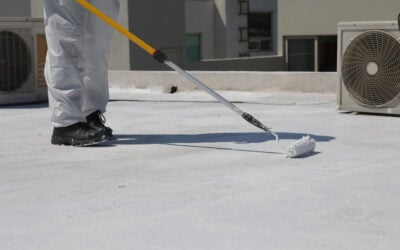
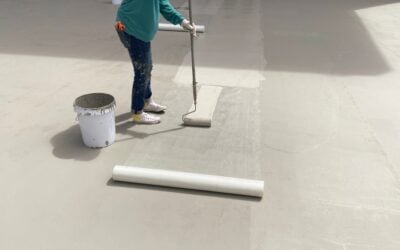
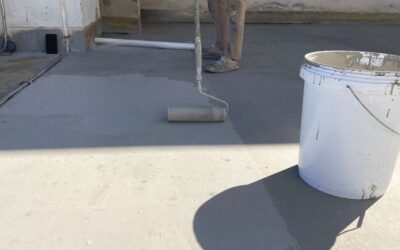
A typical roofing project may include cleaning the surface, sealing cracks, replacing damaged sections, and applying protective layers such as roof coatings to improve durability and weather resistance. These measures help prevent future damage, enhance energy performance, and extend service life.
Restoration is often appropriate when the roof remains structurally sound, but shows wear such as minor leaks, surface cracks, or material aging. Severely deteriorated systems, however, may still require full replacement.
How Commercial Roof Repairs Save Money
Commercial roof repairs are not just about stopping water intrusion; they are about protecting your bottom line. Addressing issues early helps prevent costly structural damage, inventory loss, and operational disruptions. Proactive maintenance and timely repairs can also extend the lifespan of your roofing system, reducing the need for premature replacement.
Extending Roof Life
Repairing vulnerable areas can extend a roof’s lifespan by years. Most commercial roofing systems are designed to last a long time, but they often fail early due to small, preventable weaknesses like seam separation or deteriorating flashing. Addressing these weak spots early helps the system perform as intended and delays the need for major work.
Compared to the high upfront expense of replacement, targeted repairs are far more affordable. A full replacement requires extensive labor, tear-off costs, disposal fees, and possible disruptions to the business. Repairs, on the other hand, focus only on the problem areas, keeping costs contained while maintaining roof integrity.
Delaying replacement allows businesses to allocate capital toward growth and operations instead of major construction expenses. Rather than spending large amounts on premature replacement, business owners can keep budgets focused on equipment upgrades, staffing, or facility improvements. Over time, extending roof life can significantly improve financial planning and reduce unexpected expenditures.
Preventing Major Interior Damage
Even minor leaks can damage insulation, ceilings, electrical systems, and structural components. Water intrusion often spreads far beyond the visible leak location, soaking insulation and weakening the roofing deck. Once moisture reaches interior systems, the cost of repairs multiplies quickly.
Addressing issues early prevents costly interior repairs and reduces the risk of mold or structural deterioration. Mold remediation, drywall replacement, and damaged wiring repairs can become expensive and time-consuming, especially in occupied commercial buildings. Catching roof issues before they reach interior spaces protects both the building and the people inside it.
Early intervention delivers significant long-term savings. Instead of paying for repeated leak responses, businesses can stop the problem at the source and avoid escalating restoration costs. Preventive roof repairs are often one of the highest ROI decisions a property owner can make.
Reducing Unplanned Downtime
Roof failures can interrupt operations, damage inventory, and impact productivity. For warehouses, retail stores, manufacturing facilities, and offices, even a small roof leak can force temporary shutdowns or create unsafe working conditions. Water intrusion can also ruin stored goods, equipment, and sensitive materials.
Planned maintenance and proactive repairs minimize the risk of unexpected shutdowns and revenue loss. Scheduling repairs during normal operating hours or slower seasons allows businesses to stay in control. This reduces the chance of emergency disruptions that may require immediate closure or relocation of staff.
Preventing downtime is often more valuable than the repair itself. Lost production hours, delayed orders, and customer inconvenience can quickly exceed the cost of a repair project. Keeping the roof stable protects day-to-day operations and preserves business continuity.
Improving Energy Efficiency
Many restoration plans include reflective materials and insulation improvements that reduce heat absorption. When a commercial roof is properly sealed and upgraded, it helps regulate indoor temperatures more effectively. Reflective coatings, in particular, can reduce rooftop heat buildup during warm months.
These upgrades help HVAC systems operate more efficiently, lowering energy consumption and improving indoor comfort. When heat gain is reduced, air conditioning units cycle less frequently and experience less strain. Over time, this can reduce utility bills and extend the lifespan of HVAC equipment.
Energy savings become even more noticeable in large facilities with high cooling demands. Businesses operating in hot climates or buildings with large flat roofs often see measurable reductions in monthly energy costs. Roof repairs that enhance efficiency provide ongoing savings long after the repair work is complete.
Lowering Emergency Repair Costs
Signs Your Commercial Roof Needs Restoration
| Feature / Factor | Roof Restoration | Full Roof Replacement |
| Cost | Lower upfront cost; usually 20–40% of replacement cost | High upfront cost; can be tens of thousands of dollars, depending on roof size |
| Lifespan Extension | Adds 5–15 years depending on condition and materials | Provides a brand-new roof, typically 20–30 years of life |
| Downtime | Minimal disruption to business operations | Can require significant downtime during removal and installation |
| Preventing Interior Damage | Repairs leaks and weak spots early | Eliminates most risks, but only after full replacement is completed |
| Energy Efficiency | Improves with coatings and minor insulation upgrades | High-efficiency options are possible, but more costly |
| Emergency Repair Costs | Reduces risk of costly emergency repairs | N/A immediately, but future reactive costs are still possible if maintenance is neglected |
| ROI Over Time | High ROI due to lower upfront costs and extended roof life | Lower short-term ROI due to high initial investment |
Choosing roof restoration can save your business money upfront while still protecting your building and operations. While full replacement provides a completely new roof, restoration often gives the best balance of cost, efficiency, and long-term protection.
Commercial Roof Restoration Process Overview
1. Inspection and Assessment
A detailed inspection identifies leaks, cracks, ponding water, and material wear. Proper evaluation ensures restoration is appropriate and prevents unnecessary spending.
2. Repair Planning and Scope
A clear scope of work outlines repairs, materials, timelines, and costs. Careful planning avoids surprises and keeps budgets under control.
3. Surface Preparation and Patching
The roof is cleaned and prepared to ensure materials bond properly. Damaged areas are reinforced, and vulnerabilities are sealed.
4. Coating Application and Finishing
Protective systems are applied to improve waterproofing, UV resistance, and energy efficiency.
5. Final Inspection
A post-project review ensures everything meets quality standards and sets the stage for ongoing maintenance.
Throughout every phase, proper attention to detail ensures repairs are durable, effective, and built to last.
Choosing a Commercial Roof Restoration Partner
Choosing the right commercial roof restoration partner is essential for protecting your building and maximizing long-term savings. A skilled contractor can identify early warning signs, recommend the most cost-effective solution, and help you avoid premature roof replacement. The right team will also ensure repairs and restoration are completed correctly, improving performance and extending the roof’s lifespan.
Selecting an experienced commercial roofing contractor is critical to maximizing savings. Professionals know how to evaluate existing systems, detect hidden moisture issues, and determine whether restoration is a better option than replacement. They also provide clear recommendations based on your roof type, building use, and local climate conditions.
At Engineered Roofing Systems, we provide comprehensive commercial roof restoration services focused on extending roof life and preventing unnecessary replacements. Our team delivers reliable, long-lasting solutions tailored to your building’s needs, helping protect your property while keeping costs under control.
Commercial Roof Restoration FAQs
What is commercial roof restoration?
Commercial roof restoration is the process of repairing, sealing, and improving an existing roof instead of replacing it entirely. It typically includes cleaning the surface, patching damaged areas, and applying protective coatings. This approach extends the roof’s lifespan, prevents leaks, and improves overall performance while remaining cost-effective.
How much does restoration save compared to replacement?
Roof restoration usually costs significantly less than a full replacement, often around 20–40% of the total replacement cost. Addressing minor issues early helps prevent larger, more expensive repairs later. Over time, the savings from avoided replacement and reduced emergency repairs create a strong return on investment.
How long does a restored roof last?
A properly restored commercial roof can add 5–15 years of additional service life. The exact lifespan depends on the roof type, climate conditions, and quality of workmanship. Routine maintenance and inspections help maximize durability and long-term performance.
Can all commercial roofs be restored?
Not every roof qualifies for restoration, especially if it is structurally compromised or severely deteriorated. However, many TPO, EPDM, metal, and built-up roofing systems can be effectively restored. A professional inspection is the best way to determine if restoration is the right solution.
How often should a roof be inspected?
Commercial roofs should be inspected at least twice per year, typically in the spring and fall. Additional inspections are recommended after severe storms or extreme weather events. Regular evaluations help catch small issues early and prevent costly damage.
Why Commercial Roof Restoration Is a Smart Investment
Commercial roof repairs and restoration offer measurable financial benefits. By extending roof lifespan, preventing interior damage, improving energy efficiency, and reducing emergency expenses, businesses protect both their property and their bottom line.
As a commercial roofing expert in Houston, we specialize in restoring commercial roofs. Our team brings local expertise and experience with engineered roofing systems to every project, helping businesses in the area maintain safe, durable, and cost-effective roofs.
Ready to protect your building and save on roofing costs? Request a free quote for commercial roof restoration.