Can a fiberglass roof be repaired?
Yes, fiberglass roofs can be effectively repaired using specialized composite materials and techniques. Most damage—including cracks, delamination, and surface deterioration—can be addressed through professional repair methods that restore structural integrity and waterproofing performance. The repair process typically involves surface preparation, application of compatible resins and reinforcement materials, and protective coating systems. Depending on the extent of damage, repairs can range from localized crack filling to comprehensive panel replacement. With proper assessment and execution by experienced technicians, fiberglass roof repairs can extend system lifespan by 10-20 years while maintaining leak-free performance under industrial operating conditions.
How to fix a crack in a fiberglass roof?
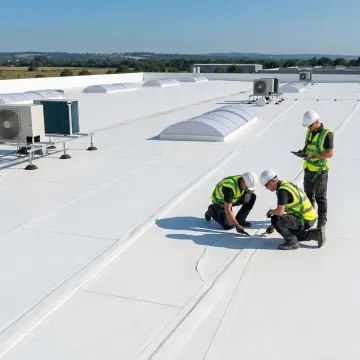
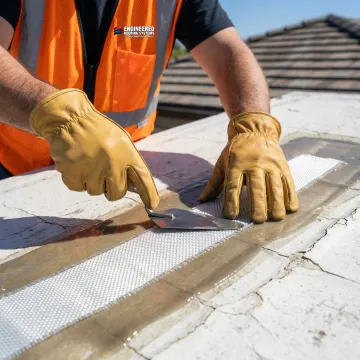
Fixing a crack in a fiberglass roof requires proper surface preparation, compatible repair materials, and correct application techniques. First, the cracked area must be thoroughly cleaned and prepared by removing loose material, dirt, and any surface contamination. The crack is then filled with a specialized fiberglass-compatible resin that bonds chemically with the existing substrate. For structural cracks, reinforcement fabric is embedded in the resin to provide added strength. After curing, the repair is sanded smooth and a protective coating is applied to seal the repair and restore UV resistance. Professional repairs use materials specifically formulated for fiberglass compatibility to ensure long-term adhesion and prevent future delamination.
How long does a fiberglass roof repair last?
A professionally executed fiberglass roof repair typically lasts 10-15 years when performed with quality materials and proper application techniques. The longevity depends on several factors including the severity of original damage, quality of surface preparation, compatibility of repair materials, and ongoing maintenance practices. Repairs protected with high-performance coating systems and included in regular maintenance programs often exceed their expected lifespan. In Southeast Texas's demanding climate, using UV-resistant materials and ensuring proper adhesion are critical for durability. Major manufacturers back their repair systems with warranties ranging from 5-20 years, providing additional assurance of long-term performance when installation follows approved specifications.
What causes fiberglass roofs to crack?
Fiberglass roofs crack primarily due to thermal stress, UV degradation, structural movement, and material fatigue over time. In Southeast Texas, extreme temperature fluctuations cause expansion and contraction cycles that stress the fiberglass matrix, especially at panel seams and fastener locations. Prolonged UV exposure breaks down the resin binder, leading to surface embrittlement and micro-cracking. Improper installation, inadequate substrate support, or building settlement can create stress concentrations that propagate cracks. Chemical exposure from industrial processes may also degrade the fiberglass composite. Regular inspections help identify early signs of degradation—such as surface chalking or hairline cracks—before they develop into major structural failures requiring extensive repair.
Is it better to repair or replace a damaged fiberglass roof?
The decision between repair and replacement depends on the extent of damage, age of the system, and cost-effectiveness analysis. Localized damage affecting less than 30% of the roof area is typically more economical to repair, especially if the underlying structure remains sound. Repairs are ideal when cracks are isolated, delamination is limited, or surface deterioration can be addressed through restoration and coating. Complete replacement becomes necessary when damage is widespread, the substrate has failed, or the roof has exceeded its serviceable lifespan. Our free inspection service provides a detailed assessment and honest recommendation. For many industrial facilities, strategic repairs combined with protective coating systems deliver 10-15 additional years of service at a fraction of replacement cost.
Can fiberglass roof repairs be done in hot Texas weather?
Yes, fiberglass roof repairs can be successfully performed in hot Texas weather with proper planning and application techniques. Many modern repair resins and coating systems are specifically formulated for warm-climate application, with extended working times and temperature-resistant curing properties. However, extreme heat does require adjustments to application methods—such as early morning or late afternoon scheduling, substrate temperature monitoring, and proper material storage. Our experienced team understands how Southeast Texas heat and humidity affect material performance and cure times. We follow manufacturer guidelines for temperature ranges and adjust application rates to ensure proper adhesion and long-term durability. Emergency repairs may be performed in any weather condition, with permanent solutions applied when conditions are optimal.
What maintenance does a fiberglass roof need after repair?
After repair, fiberglass roofs benefit from regular inspections, routine cleaning, and protective maintenance to maximize lifespan. We recommend semi-annual inspections to monitor repair integrity, check for new cracks, and assess coating condition. Debris removal and gentle cleaning prevent moisture accumulation and surface degradation. Reapplication of protective coatings every 5-10 years maintains UV resistance and waterproofing performance. Our preventative maintenance program includes documented inspections, minor repairs before they escalate, and cleaning services tailored to industrial environments. Proactive maintenance typically extends repair longevity by 30-50% compared to reactive approaches. For facilities within our 100-mile Southeast Texas service area, we offer customized maintenance plans that fit operational schedules and budget requirements.
Do you offer emergency fiberglass roof repair services?
Yes, we provide emergency response services for urgent fiberglass roof failures, active leaks, and storm damage affecting industrial facilities throughout Southeast Texas. Our team understands that roofing failures can disrupt operations, damage equipment, and compromise product quality. We respond quickly with temporary weatherproofing measures to stop active leaks, followed by permanent repairs once immediate concerns are addressed. Emergency services are available for facilities within our 100-mile service radius extending from Palestine to Point Comfort and Bastrop to Beaumont. We coordinate closely with facility managers to minimize operational disruption and, when applicable, assist with insurance documentation for storm damage claims. Contact us immediately for emergency situations requiring urgent attention to protect your facility.