When should a standing seam metal roof be replaced instead of repaired?
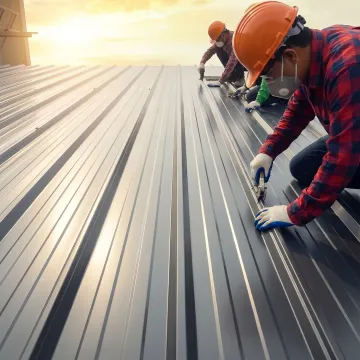
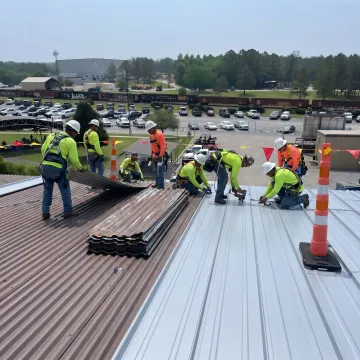
Replacement is usually the better option when the roof has widespread panel deterioration, recurring leaks, failed seams, corrosion, storm damage across multiple sections, or has reached the end of its serviceable life. If repairs would only provide short-term relief or repeated patching is becoming costly, a full replacement often delivers better long-term value, stronger weather protection, and improved warranty coverage.
How long does a standing seam roof replacement typically last?
A properly installed standing seam metal roof can often last 40 years or more, depending on the metal type, building conditions, maintenance, and exposure. Concealed fasteners help reduce weather-related wear compared with exposed-fastener systems. Regular inspections, prompt flashing repairs, and attention to drainage all help maximize service life and preserve long-term performance.
What are the benefits of standing seam metal roofing for commercial buildings?
Standing seam roofing offers concealed fasteners, raised interlocking seams, strong weather resistance, and a clean architectural appearance. It performs well on commercial buildings that need durability, low maintenance, and long service life. It also reflects heat, resists fire and corrosion, and can be a strong fit for Southeast Texas properties dealing with sun exposure, humidity, and severe weather.
Can you replace only part of a standing seam roof?
Yes, partial replacement may be possible when damage is limited to specific panels or sections and the existing roof system is still structurally sound. The roof must be evaluated for panel compatibility, seam condition, flashing integrity, and overall age. If matching materials or long-term performance are concerns, full replacement may still be the more reliable solution.
How do you determine the cost of a standing seam roof replacement?
Pricing is based on roof size, panel profile, metal type, access conditions, tear-off requirements, substrate condition, flashing complexity, and the amount of detail work around penetrations or edges. Commercial replacement projects also vary based on scheduling needs and building operations. ERS provides on-site inspections and project-specific quotes so owners can evaluate the full scope before moving forward.
Will a new standing seam roof help reduce cooling costs?
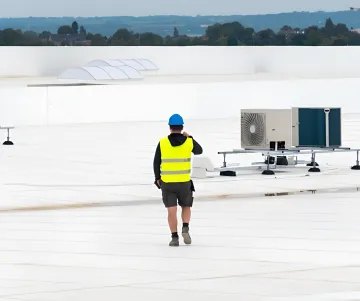
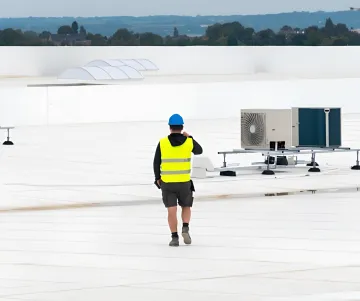
In many cases, yes. Metal roofing can reflect solar heat more effectively than darker or aging roof surfaces, especially when paired with reflective finishes or energy-efficient assemblies. On commercial buildings in hot climates, that can help reduce rooftop heat gain and lower HVAC demand. The exact savings depend on insulation levels, roof color, building use, and existing system condition.
Do standing seam roof replacements come with warranties?
Yes. Warranty coverage depends on the roofing system selected, installation details, and manufacturer requirements. ERS installs systems backed by manufacturer warranties, and many commercial roofing products offered by the company carry coverage terms up to 30 years. Final warranty eligibility is tied to approved materials, proper installation, and completion of any required manufacturer inspections.
What areas do you serve for standing seam roof replacement projects?
Engineered Roofing Systems serves commercial and industrial clients across Southeast Texas within roughly a 100-mile radius of its Conroe office. Common service areas include Houston, Conroe, Katy, Cypress, Spring, Galveston, College Station, Austin, Beaumont, and surrounding communities. Service availability depends on project scope, building type, and scheduling requirements.