How quickly can you respond to an industrial roof leak emergency in Chicago?
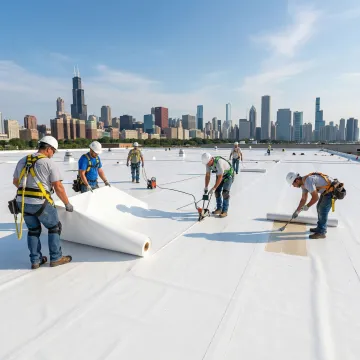
Emergency roof leak calls are prioritized, with the team typically responding within hours to assess damage and implement temporary containment measures. For industrial facilities in Chicago, rapid response is critical because production downtime translates directly to lost revenue. Crews arrive equipped with materials and tools to stop active leaks immediately, followed by a comprehensive inspection to determine the scope of permanent repairs needed.
What types of industrial roofing systems can you repair?
Engineered Roofing Systems has extensive experience repairing all major industrial roofing systems, including single-ply membranes (TPO, PVC, EPDM), modified bitumen, built-up roofing (BUR), metal panel roofs (standing seam and R-panel), and spray polyurethane foam systems. As authorized contractors for leading manufacturers like Versico, Carlisle, and Duro-Last, all repairs meet warranty requirements and performance standards.
What causes most industrial roof leaks?
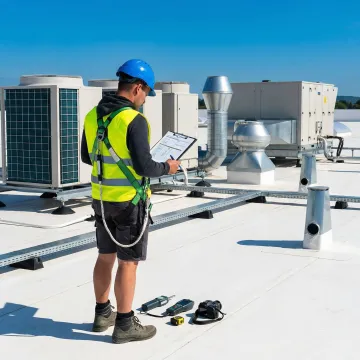
The majority of industrial roof leaks originate at vulnerable points including flashing around HVAC units and penetrations, compromised seams in membrane systems, damaged or missing fasteners, ponding water areas with inadequate drainage, and storm damage to membrane or metal panels. In Chicago's climate, freeze-thaw cycles worsen these issues by causing expansion and contraction that stresses seams and flashing, making proactive maintenance especially important.
How do you minimize disruption to facility operations during repairs?
The team works closely with facility managers to schedule repair work during low-production periods, weekends, or overnight shifts when feasible. Crews follow strict safety protocols, establish containment zones, utilize dust control measures, and maintain clear communication throughout the project. For large-scale repairs, work can be phased across multiple visits to ensure critical building areas remain operational throughout the process.
How long do industrial roof repairs typically last?
When executed properly using quality materials and proven methods, industrial roof repairs can last 10–15 years or longer, often extending the service life of the entire roofing system. Longevity depends on the extent of original damage, quality of workmanship, materials used, and ongoing maintenance practices. Manufacturer-approved materials backed by warranties and regular post-repair inspections help ensure continuous weatherproof performance for years to come.
Will my existing roof warranty remain valid after repairs?
Warranty preservation depends on who performs the repair work and whether manufacturer-approved materials and methods are used. As authorized contractors for major manufacturers, Engineered Roofing Systems ensures all repairs comply with warranty requirements and that proper documentation is maintained. It is recommended to review your warranty terms before proceeding, and the team can coordinate with original contractors or manufacturers to preserve coverage while addressing urgent repair needs.
What does the industrial roof repair process involve?
The repair process follows five steps: immediate response and safety assessment, thorough damage inspection and documentation (including photos and detailed reports useful for insurance claims), custom repair solution development tailored to your budget and operational schedule, expert repair execution using materials from trusted manufacturers like Versico, Carlisle, and Duro-Last, and finally quality verification with warranty support to confirm watertight performance and structural integrity.
Do you offer preventative maintenance programs for industrial roofs in Chicago?
Yes, scheduled inspection and maintenance programs are available, designed to identify and address minor issues before they escalate into costly repairs. Flat roofs should be inspected at least twice annually — ideally in spring and fall — with drains, gutters, and scuppers cleared regularly. Chicago's freeze-thaw cycles make proactive maintenance especially critical, as trapped moisture can expand and accelerate membrane deterioration. Regular maintenance extends roof lifespan significantly and reduces emergency repair costs.