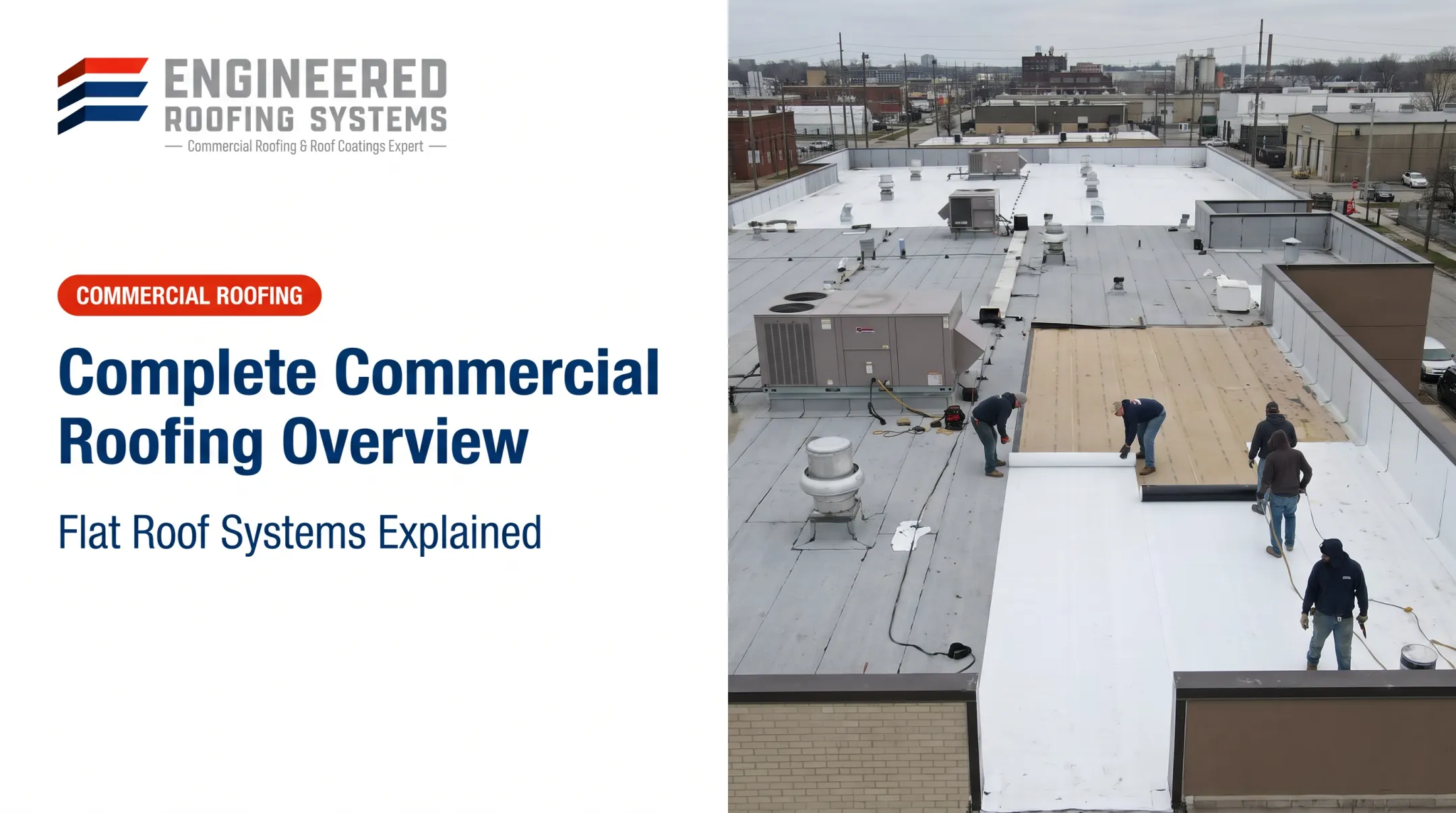

Protected Membrane Roofing (PMR) flips the traditional roof design on its head. Instead of exposing the waterproof membrane to the elements, PMR buries it under insulation and ballast, shielding it from the sun and foot traffic that wear it down.
This guide covers how PMR works, what it costs, how long it lasts, and how it stacks up against conventional roofing systems.
Key Takeaways
- PMR (also known as IRMA) places insulation above the membrane instead of below it
- Insulation above the membrane shields it from UV rays, thermal cycling, and mechanical damage
- Some PMR systems have performed 12-15 years without major repair
- Ballast, pavers, or vegetated roofing can top a PMR system for design flexibility
- Professional installation is critical: ballast weight and drainage must be engineered correctly
What Is a Protected Membrane Roof?
A protected membrane roof reverses the order of a standard roofing assembly. Instead of insulation sitting under the waterproofing layer, it sits on top, protecting the membrane from sunlight, temperature swings, and physical wear.
The system isn't new. According to NRCA's historical roofing guidelines, Dow began marketing a protected membrane system back in 1968, using Styrofoam insulation laid over the membrane. It's been a proven commercial approach for over five decades.
How the Layers Work Together
A typical PMR assembly, from bottom to top, looks like this:
- Roof deck - the structural base
- Waterproofing membrane - installed and flood-tested before anything covers it
- Filter/drainage fabric - keeps insulation boards from shifting
- XPS insulation - loose-laid extruded polystyrene boards
- Ballast or pavers - gravel, concrete pavers, or vegetated roofing on top

Extruded polystyrene (XPS) is the standard insulation choice here because of its closed-cell structure. According to ORNL research on insulation properties, XPS absorbs a maximum of just 0.3% water by volume in 24 hours under ASTM C578 testing — meaning it stays effective even when it gets wet, which matters in hot, humid climates where roof assemblies stay wet longer.
With this inverted order, the membrane stays shielded from UV degradation and repeated thermal expansion and contraction instead of absorbing that stress directly.
Conventional Roofing vs. Protected Membrane Roofing
In a conventional roof, insulation sits below the membrane. That means the membrane faces sun, rain, and foot traffic with nothing standing between it and the elements.
Common conventional roof failure points:
- Membrane aging and alligatoring from constant UV exposure
- Thermal expansion and contraction stress at seams and joints
- Trapped moisture and condensation beneath the membrane
- Blistering and ridging at insulation board joints
PMR addresses these issues directly. The Buildings.com overview of protected membrane systems notes that insulation and ballast protect the membrane from UV degradation, oxidation, thermal movement, and stress concentration: the exact failure modes that plague exposed membranes.
One underrated PMR advantage: the membrane can be flood-tested and inspected before insulation ever goes down. That catches leaks and installation errors early, before they're buried under layers of insulation and ballast.
The trade-off? Buildings.com reports PMR carries roughly a 5-15% higher initial cost than exposed membrane systems, an increase generally offset by durability over time.
NRCA's historical guidelines add some nuance. Over the long haul, installation and maintenance costs for PMR "may nearly equal" those of conventional roofing, so the real savings come from fewer repairs and tear-offs—not a cheaper install on day one.

Which System Is Right for Your Facility?
PMR tends to suit flat, low-slope industrial buildings, especially where rooftop equipment or regular foot traffic would otherwise chew up an exposed membrane. Conventional systems can still make sense for facilities working with tighter budgets or shorter ownership horizons.
One consideration for Southeast Texas facilities: ballast adds weight. NRCA's historical documentation notes that the added ballast load was once considered impractical in southern climates for certain structures, so a structural review is worth doing before committing to a PMR retrofit.
Benefits of Protected Membrane Roofing for Industrial & Commercial Buildings
PMR's biggest draw is long-term value, not lowest sticker price. Here's what facility managers gain:
- Fewer tearoffs and less patching — a protected membrane simply degrades slower
- More stable membrane temperature — reduces thermal bridging concerns and helps regulate rooftop heat
- Design flexibility — gravel ballast, pavers, walkways, or even vegetated roofing can top the system
- Weather-flexible installation — insulation can go down in a wider range of conditions since it's not the waterproofing layer
- Reusable materials — Buildings.com notes that undamaged XPS boards, pavers, and pedestals can often be reused during future roof work, cutting landfill waste
That thermal bridging point matters more than it sounds. Carlisle's research on insulation gaps found that even a 1/8-inch gap in insulation coverage can produce up to 10% energy loss, and a 1/4-inch gap can push that to 18%. Getting the insulation layer installed correctly, with tight seams, has real energy implications.

Those energy and durability gains only hold if the system fits the roof you have. At Engineered Roofing Systems, specialists like Jose and Sebastian evaluate condition, drainage, seam integrity, and remaining service life before recommending a path forward.
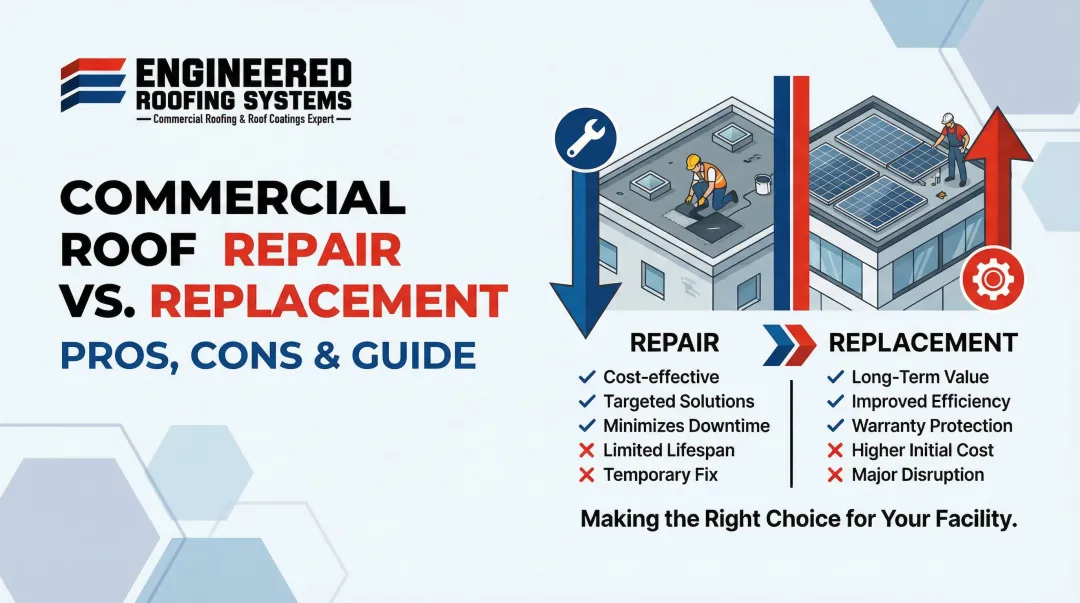
When damage is localized and the structure can support it, a retrofit or coating approach (including PMR-style layering) can help facilities avoid a full tearoff. When deterioration is widespread or the structure is compromised, replacement is the more sensible call.
Materials, Costs, and Lifespan Considerations
PMR costs depend on a handful of variables:
| Factor | Impact on Cost |
|---|---|
| Insulation thickness | Thicker XPS = higher material cost, better thermal performance |
| Ballast type | Gravel is cheapest; pavers and vegetated systems cost more |
| Membrane material | TPO vs. PVC vs. EPDM pricing varies |
| Building size and access | Larger, harder-to-access roofs raise labor costs |
Exact per-square-foot PMR pricing varies too much by project to quote reliably here. Engineered Roofing Systems provides free on-site inspections because pricing depends on deck condition, drainage needs, and material choice.
Lifespan is where that investment often pays off. GAF's commercial roofing guidance puts most commercial roofs—and TPO systems—at 20-30 years. PMR's protective layering can push assemblies toward the upper end of that range, since the membrane faces far less environmental stress over time.
Manufacturer warranties matter as well. Certified contractors installing Versico, Carlisle, or Duro-Last systems can offer warranties up to 30 years on qualifying components, though eligibility depends on system design, materials, and installation standards.
Choosing the Right Membrane: EPDM, TPO, and Waterproofing Techniques
The membrane you choose as your PMR base layer affects durability, heat performance, and repair ease.
EPDM (synthetic rubber):
- Known for weather resistance and flexibility
- Seams are joined with self-adhesive tape
- Typically black, which absorbs more heat
TPO (thermoplastic polyolefin):
- Usually white or light-colored, reflecting more heat
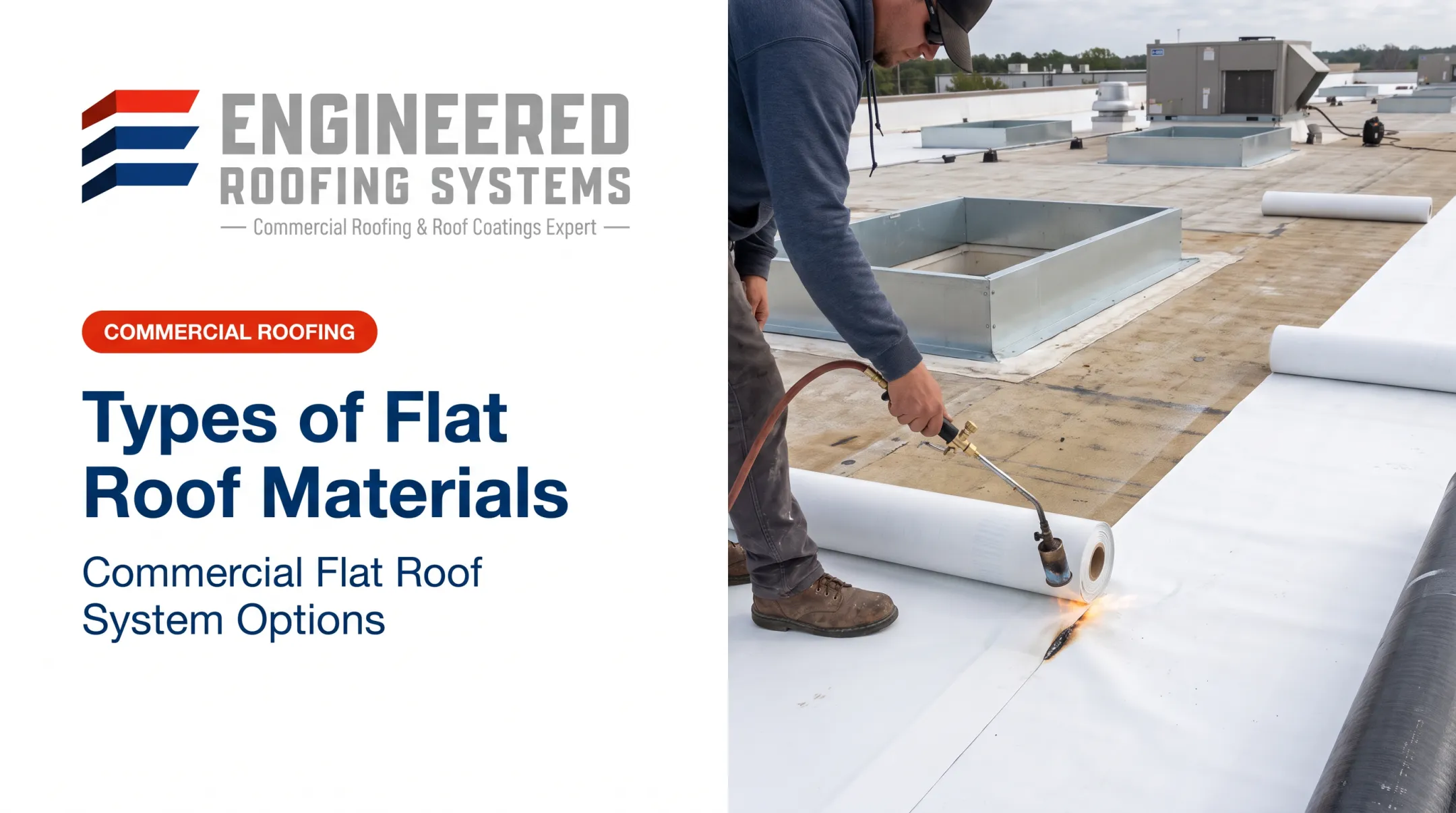
- Seams are heat-welded, creating a strong bond
- Generally more cost-effective upfront
Quick field tip: if the roof is black with taped seams, it's likely EPDM. If it's white or light gray with what looks like a heat-welded, almost fused seam line, that's TPO.
Waterproofing techniques that matter under ballast:
- Heat-weld TPO seams so joints stay continuous and watertight
- Detail drains, edges, and penetrations before insulation and pavers go down
- Choose fully adhered sheets where wind uplift or irregular decks limit loose-laid options
Engineered Roofing Systems installs TPO on Southeast Texas industrial facilities, including Inteplast projects with 60-mil Versico TPO. Light-colored TPO reflectivity helps cut cooling load through long Gulf Coast summers.

That said, the right membrane depends on your roof's slope, expected traffic, and chemical or fire exposure. A professional inspection remains the best way to match membrane and technique to your specific building.
Frequently Asked Questions
What is a protected membrane roof?
A protected membrane roof, or PMR, is an inverted roofing assembly where insulation and ballast sit above the waterproofing membrane instead of below it. This shields the membrane from UV rays, weather, and foot traffic.
What is an inverted roofing assembly?
"Inverted roofing assembly" is another name for PMR, also called IRMA (Insulated Roof Membrane Assembly). Both terms describe the same system: membrane installed first, insulation and ballast layered on top.
How much does it cost to put a membrane on a roof?
Costs vary based on membrane material, roof size, deck condition, and accessibility. The most accurate way to get pricing is a free on-site inspection, since every roof presents different challenges.
How long will a membrane roof last?
Most commercial membrane roofs last 20-30 years, depending on material, climate, and maintenance. PMR configurations can help membranes reach the higher end of that range by reducing direct environmental exposure.
Which roof is better, EPDM or TPO?
The right choice depends on your budget, climate, and building needs. TPO offers better heat reflectivity and cost-efficiency, while EPDM offers proven flexibility and weathering performance.
Which waterproofing technique is best for roofs?
The best approach depends on slope, traffic, and climate exposure. For many flat commercial roofs, a protected membrane assembly is a strong long-term option. Engineered Roofing Systems offers inspections across Southeast Texas to recommend the right system for your facility.