What does a commercial roof inspection include?
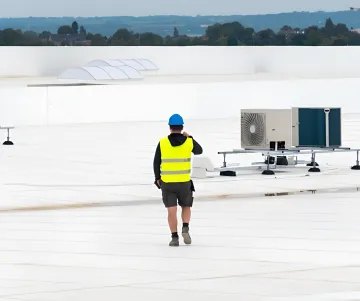
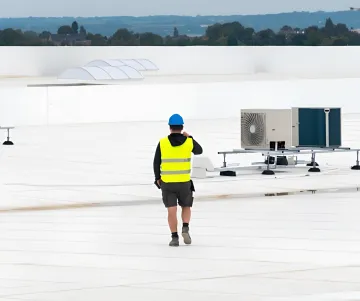
A commercial roof inspection reviews the roofing system’s visible condition, including membrane or panel surfaces, seams, flashing, penetrations, drains, scuppers, fasteners, and signs of ponding water or leak intrusion. Inspectors document observed concerns with photographs and explain their likely significance. The resulting report can identify immediate repair priorities, maintenance needs, and issues that should be monitored for future budgeting.
How often should a commercial roof be inspected in Omaha?
Most commercial roofs benefit from an inspection at least once a year, plus an additional review after a major weather event. Omaha’s hail, strong winds, snow loads, and freeze-thaw cycles can accelerate wear at seams, flashings, drains, and rooftop penetrations. Older roofs, high-traffic roofs, and buildings with recurring leaks may warrant semiannual inspections to catch smaller concerns earlier.
Should I schedule an inspection after hail or wind damage?
Yes. A prompt inspection after hail, high winds, heavy rain, or airborne debris can identify punctures, displaced flashing, open seams, dented metal panels, and drainage issues before water reaches the building interior. Photo documentation also creates a useful record of observed conditions. If active leaks are present, temporary weatherproofing should be prioritized while permanent repair options are evaluated.
Will an inspection tell me whether repair or replacement is needed?
A thorough inspection helps distinguish localized, repairable defects from widespread deterioration that may make restoration, re-covering, or replacement more sensible. Inspectors consider the roof’s material, age, moisture exposure, seam condition, drainage, prior repairs, and the extent of damage. Recommendations should explain the available paths, their expected value, and the operational considerations associated with each option.
What are common signs of commercial roof problems?
Common warning signs include interior water stains, recurring leaks, loose or deteriorated flashing, open seams, cracked coatings, blistering membranes, rusted fasteners, standing water, blocked drains, and damaged metal panels. A roof can also have concealed problems before interior symptoms appear. Regular inspections help detect these conditions early, when targeted repairs may help avoid more extensive damage and disruption.
How long does a commercial roof inspection take?
Inspection time depends on roof size, access, material type, rooftop equipment, and the number of areas requiring close review. A smaller, uncomplicated roof may be assessed relatively quickly, while a large industrial or multi-level facility can require a more detailed walkthrough. The inspection should allow time for photography, condition notes, and a clear discussion of findings rather than a rushed visual check.
Can a roof inspection help with maintenance budgeting?
Yes. Condition reports can help facility managers prioritize near-term repairs, identify maintenance items, and estimate when larger restoration or replacement decisions may be needed. For multi-property owners, recurring inspection records provide a clearer view of each roof’s life cycle and risk profile. This supports more deliberate capital planning instead of relying solely on emergency repairs after leaks occur.
What information should I have ready for a roof inspection?
Helpful information includes the roof’s approximate age, material type, warranty records, prior repair history, known leak locations, recent storm events, and any access or safety requirements at the property. Sharing interior leak reports and photos can also guide the assessment. This background helps the inspector focus on relevant areas and provide recommendations that fit the building’s operational needs.