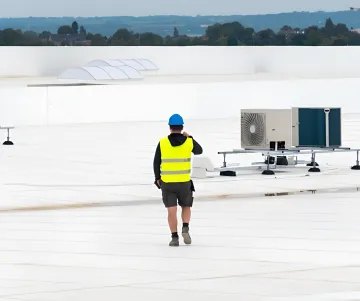
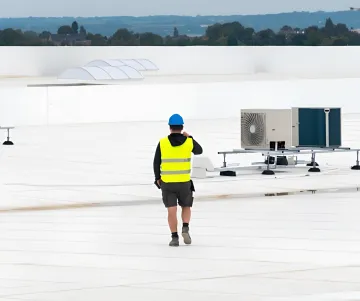
What does a roof inspector do?
A roof inspector evaluates the overall condition of a roofing system and identifies visible issues that may lead to leaks, premature deterioration, or operational risks. For commercial roofs, the inspection commonly includes membranes or panels, seams, flashings, penetrations, drains, fasteners, ponding areas, and signs of water intrusion. The inspector documents findings and recommends appropriate maintenance, repair, restoration, or replacement options.
How often should a commercial roof be inspected?
Commercial roofs should generally be inspected at least once each year and after significant weather events or suspected leak activity. Older roofs, facilities with frequent rooftop traffic, and properties exposed to standing water or industrial conditions may benefit from semi-annual inspections. Regular evaluations create a condition history, catch minor defects earlier, and help owners schedule repairs before they become disruptive emergency work.
Is a commercial roof inspection free?
Engineered Roofing Systems offers free, no-obligation on-site commercial roof inspections. The inspection includes a review of key roofing components such as drainage, flashing, seams, membrane condition, fasteners, and visible leak indicators. Customers receive a detailed written report with photos and recommendations. The report is designed to support an informed decision, with no obligation to proceed with follow-on roofing work.
What is included in a commercial roof inspection report?
A commercial roof inspection report documents the roof’s observed condition with photos and notes on concerns such as damaged flashing, open seams, punctures, deteriorated sealants, drainage problems, ponding water, and signs of leak intrusion. It also outlines practical recommendations and priorities. This documentation can help facility managers compare options, plan maintenance, prepare budgets, and determine whether repairs or more extensive work are warranted.
Can an inspection find the source of a roof leak?
An inspection can often identify likely sources of a roof leak by examining seams, penetrations, flashing, drains, fasteners, rooftop equipment areas, and damaged membrane or metal panels. Water can travel before appearing inside a building, so the visible interior stain is not always directly below the entry point. Thorough documentation helps narrow the issue and guide an appropriate repair scope.
Should I have my roof inspected after a storm?
Yes. A post-storm inspection helps identify damage from heavy rain, hail, wind, debris, or lightning-related events before small vulnerabilities become active leaks. The team can assess affected roof components, provide photos of observed conditions, and recommend temporary containment or permanent repairs when needed. Documentation from a timely inspection may also be useful when reviewing a potential insurance claim.
Will an inspection tell me whether repair or replacement is better?
Yes. A professional assessment helps determine whether targeted repairs, a coating or restoration system, a re-cover, or full replacement provides the most practical long-term value. The recommendation considers the roof’s age, material condition, leak history, extent of damage, drainage, and suitability for additional roofing layers. Clear findings allow owners to weigh near-term costs against expected remaining service life.
Can inspections support long-term roofing budgets?
Yes. Routine inspections and roof asset management reports provide condition data that helps owners forecast maintenance, prioritize repairs, and plan for restoration or replacement. Instead of reacting only when a leak occurs, facility managers can build five- and ten-year roofing plans around documented needs. This approach supports capital planning while helping extend the useful life of serviceable roofing systems.