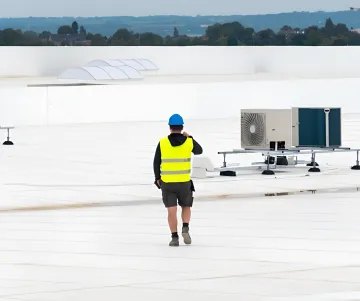
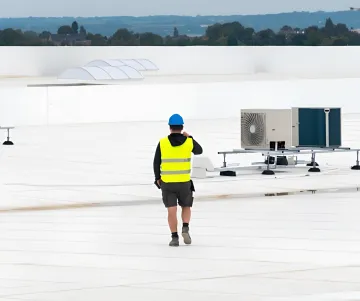
How to estimate the cost of a metal roof?
Start by measuring the roof’s actual surface area rather than the building footprint, then account for slope, waste, panel type, metal gauge, insulation, underlayment, flashing, penetrations, edge details, access, and any needed tear-off or deck repair. A calculator can organize these inputs, but a professional inspection is essential for a dependable commercial quote because existing roof conditions and installation logistics can materially change the scope.
How much is 1000 sq ft of metal roofing?
The cost for 1,000 square feet of metal roofing cannot be determined from area alone. Standing seam and R-panel systems use different materials and installation methods, while roof slope, panel gauge, trims, penetrations, access, removal, and repairs also affect the final price. For commercial roofs, confirm whether 1,000 square feet refers to roof surface area or building footprint before comparing estimates.
What factors affect commercial metal roofing prices?
The largest cost drivers include total roof area, panel system, metal type and gauge, roof slope, structural condition, insulation, flashing, penetrations, drainage details, access, and whether the existing roof requires repair or removal. Operational considerations matter as well: work around occupied spaces, production schedules, safety planning, and equipment staging can affect labor requirements and the project timeline.
Is standing seam metal roofing more expensive than R-panel roofing?
Standing seam roofing commonly has a higher installed cost because it uses concealed fasteners, raised interlocking seams, clips, and more detailed perimeter and penetration flashing. R-panel roofing uses an exposed-fastener profile and is often chosen for economical coverage of large industrial spans. The right choice depends on your building’s appearance goals, weather exposure, maintenance plan, and expected service life.
Can a metal roof be repaired instead of replaced?
Yes. Localized problems such as damaged panels, failed fasteners, compromised sealants, flashing issues, or minor corrosion can often be repaired without replacing the entire roof. An inspection should determine whether the roof structure and surrounding panels remain sound and whether repairs will provide meaningful service life. Widespread corrosion, recurring leaks, or extensive damage may justify replacement or a restoration system instead.
Can a roof coating reduce metal roofing project costs?
A fluid-applied coating may reduce costs when an existing metal roof is structurally sound but needs waterproofing, seam sealing, or UV protection. Coatings can be applied over suitable roofs without a full tear-off, helping limit disruption and disposal costs. They are not appropriate for every roof; severe corrosion, damaged decking, or significant structural issues should be corrected before restoration is considered.
Does a metal roof quote include warranty options?
A complete quote should identify the proposed roofing system, scope of work, exclusions, and available warranty options. Manufacturer warranties may depend on approved materials, installation specifications, inspections, and project details. Engineered Roofing Systems works with manufacturer-backed systems that may offer warranties up to 30 years, subject to the selected system and the manufacturer’s applicable requirements.
What should I prepare before requesting a metal roof estimate?
Provide the building address, approximate roof size, roof age, known leak locations, previous repairs, photos if available, and any access or operating constraints. It is also helpful to share your goals, such as stopping leaks, improving appearance, reducing heat absorption, or planning a capital replacement. A roof inspection can verify dimensions, panel condition, drainage, and the work needed for an accurate scope.